In late April 2022, I logged onto Instagram and saw that Shift.MS needed a last-minute host for their takeover that weekend. I had done an Instagram account takeover in the middle of 2020, had a lovely time previously, so volunteered on the spot. The following week I would have my chest catheter placed, receive chemotherapy and be off on the grueling HSCT journey. This was a serendipitous opportunity to connect with the MS community, chat about HSCT with people around the globe who had done it or were curious about it and share my hopes and fears.
That one, seemingly random and passing choice, led me to Erin. A woman and a friendship that altered the trajectory of my transplant experience, support system, and healing.
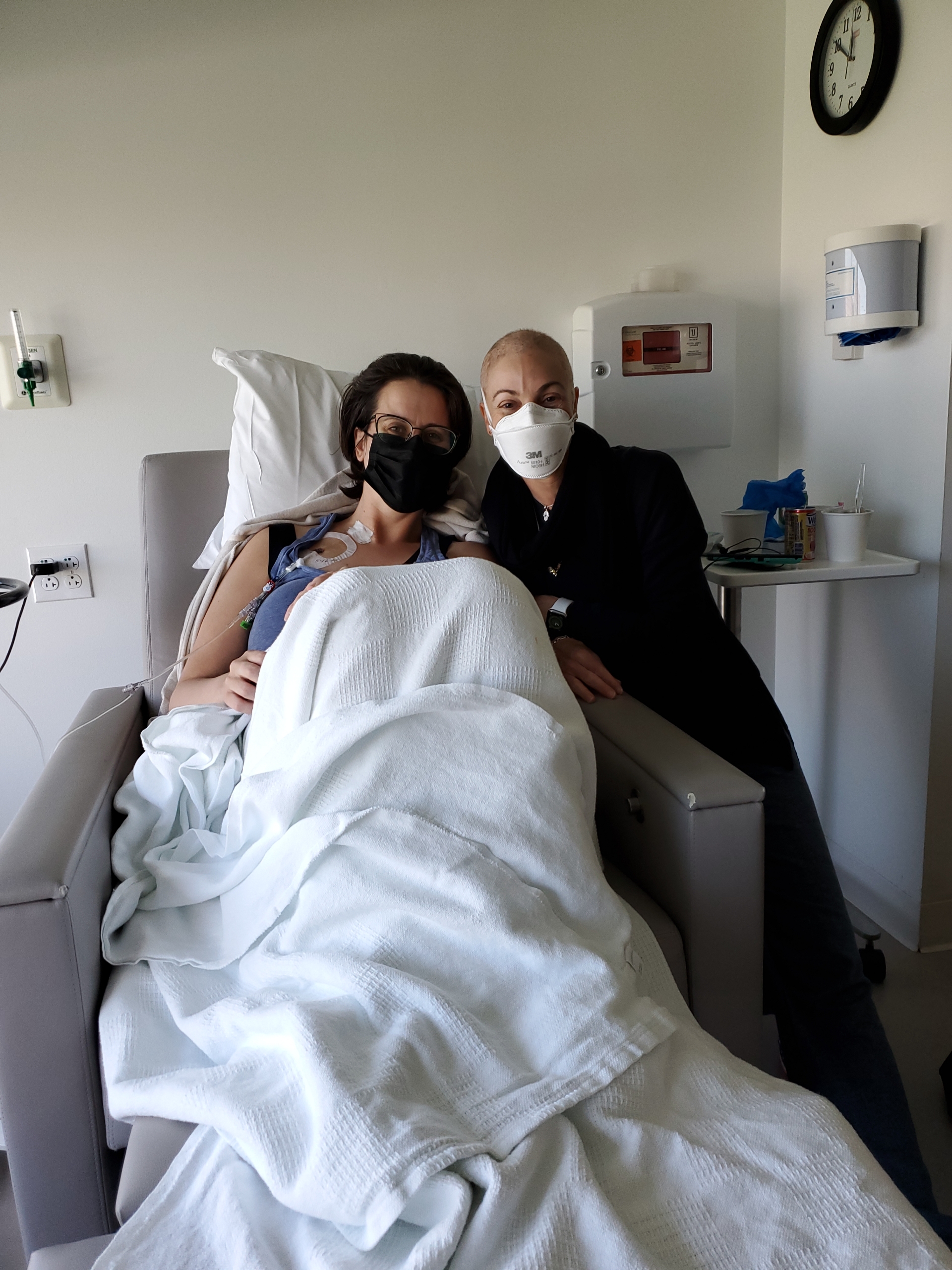
She was here in Cleveland, having sought care and transplant at Cleveland Clinic despite living in another country. She happened to be on Instagram, and she happened to see my story where I mentioned that I was about to begin HSCT at Cleveland Clinic the following week. She was a few steps ahead of me in the process and she reached out through the contact page on this blog. On Saturday we exchanged phone numbers, connected on WhatsApp, and on Monday, met each other and hugged in the second-floor check-in lobby at the Taussig Cancer Center at Cleveland Clinic. Thank goodness for the Google search function as I quickly found that original email.
I’m not sure how you feel about an HSCT buddy – if you’re not sure about me, you can find me on my blog and Instagram
-Erin
and decide for yourself.
This week, I had the pleasure of catching up, in person over dinner, with Erin and her lovely husband, Larry. Sorry mom, we were too busy talking and forgot to take any photos! Considering we both have hair now; this was an egregious oversight.
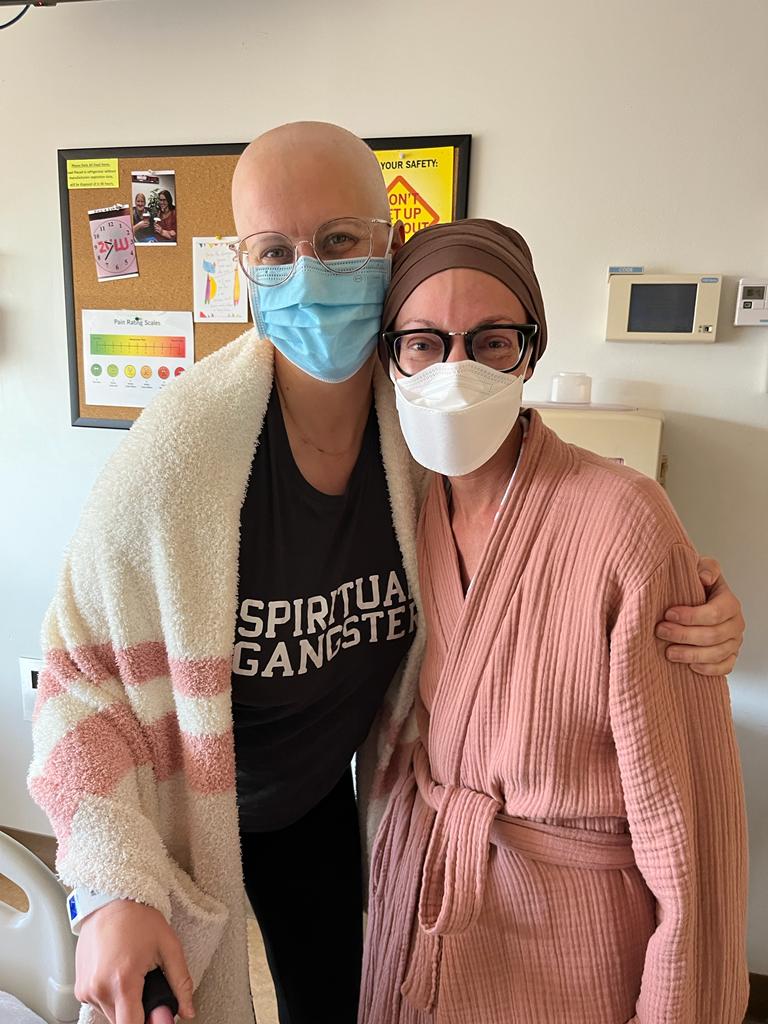
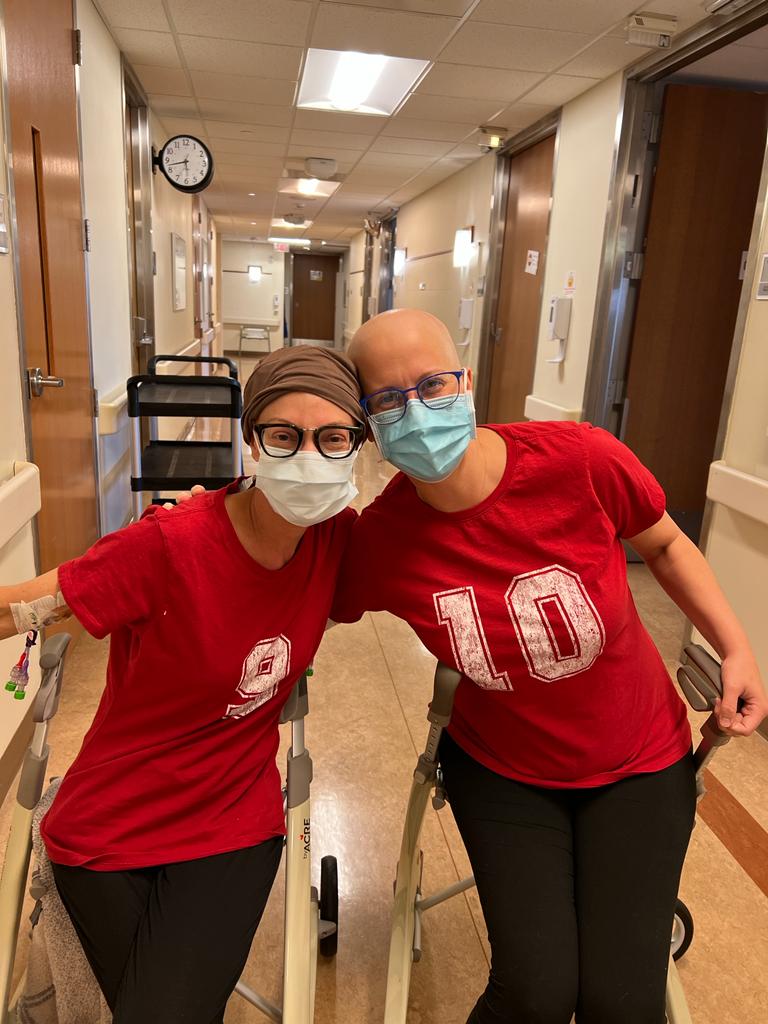
She and I have remained in contact through it all. She visited me at Taussig while I received an infusion, together with our moms we had a pool and smoothie day over Memorial Day weekend, and we even had overlapping stays in the hospital. Just a few doors down from one another on the BMT floor at Cleveland Clinic’s main campus, we texted in the thick of it from our hospital rooms and ventured the monumental distance of the hospital floor when one of us had the strength. We leaned on one another’s support systems too (her mom makes amazing soup!). You can check out her blog and read her unique perspective as a physician.
In short, we shared the trauma of our bodies, the confusion of our minds and the fear in our souls.
I connected with Erin from day one and, looking back, can’t begin to fathom this crazy time of my life without her. When I started down the road of HSCT, I wanted all of the information. I wanted to speak to each person who had gone through this. I needed to hear how their MS started and progressed, what brought them to this extreme measure, what they experienced before, during and after in the transplant process, and how they were doing now. Understanding this was not a cure, I still wanted to be the miracle, the one healed, the one cured. I’ve said it all along, this treatment felt like hope, the golden ticket, and at times a snake oil salesman that I was willing to put my faith in.
Having a companion and friend — the HSCT buddy Erin mentioned and offered in that original email — meant we constantly had a real-time litmus test for how what we experienced compared to each other. And we were straight with one another — there was no PR-speak or watered-down language. We were raw. We were honest.
Chronic illness and medical trauma are incredibly isolating and unbearably lonely. It takes precious energy to help your support system understand how you need to be supported. Add to that, fatigue and pain can often be invisible. I remember a family member prior to the pandemic and my need for a mobility aid telling me to “just go for a walk and I would feel better.” I got in my car and cried the whole way home because I was struggling so much and hiding it so well. I didn’t feel seen, and I didn’t have the energy to make myself heard.
My biggest fault and my biggest struggle is, and always has been, comparison. I’m the youngest of four daughters and have three highly accomplished, impressive, and inspiring sisters. I spent my life viewing where they were at and seeing how I measured up. Then I was an actress (not a great profession for someone who likes to compare). What did I need to do or change to get the part? Was that person prettier or more interesting than me? Somewhere in my 30s I dropped that nonsense. And now in my 40s I’m embarrassed by my former insecurities. Yet, despite all that learning and all the life lessons, what is MS, disease progression, healthcare, drug treatments, and an experimental bone marrow transplant except one giant neon flashing sign telling me to compare to others, being judged against others, being grouped with others?
My inner monologue clocked energy, stamina, ability to eat, ability to walk, support systems, extracurricular activities, employment, life… in a truly UN-healthy way. Somewhere in the last few months I realized I was doing this – making up an imaginary score card of how I compared in health, in MS, in transplant recovery. Thanks to self-reflection and therapy, I realized what I was doing and I’m consciously trying to stop it.
At dinner this week, Erin and Larry picked me up; days when I can drive are few and far between. Once in months past, side by side, we used the same ByAcre rollator and now she didn’t need hers. She was holding items for me as I managed stairs. Larry helped me into their unbelievable and impossibly high SUV, held doors, made sure I was ok. Another stark contrast was Larry himself. Erin had a steadfast, loyal, and committed husband; a partner who was with her through it all. How could I not compare? It’s easy to compare what we see but despite being my HSCT buddy and sharing intimate knowledge of our health journey, I don’t know everything. I don’t get to pick and choose what I compare. It’s a recipe for disaster to evaluate the success of my transplant and my outcomes to anyone else.
At dinner, I shared some of these realizations and marveled at what I thought I needed to know going into transplant versus what I now know. To all those who read my blog before, during or after HSCT, I hope you made it to this paragraph. Do not compare yourself to others, it’s a waste of time and will only lead to a weird hierarchy that is rubbish. But do get yourself an HSCT buddy if you can. Erin heard me, saw me and understood me with little explanation. She could commiserate in my suffering and celebrate in my joy. We could compare medical advice and follow up regimens to keep our doctors and medical teams on their toes. We have been cheerleaders and shoulders to cry on. We’ve been early morning and late-night texts. We’ve been connected from that first hug and will continue to remain in each other’s lives.
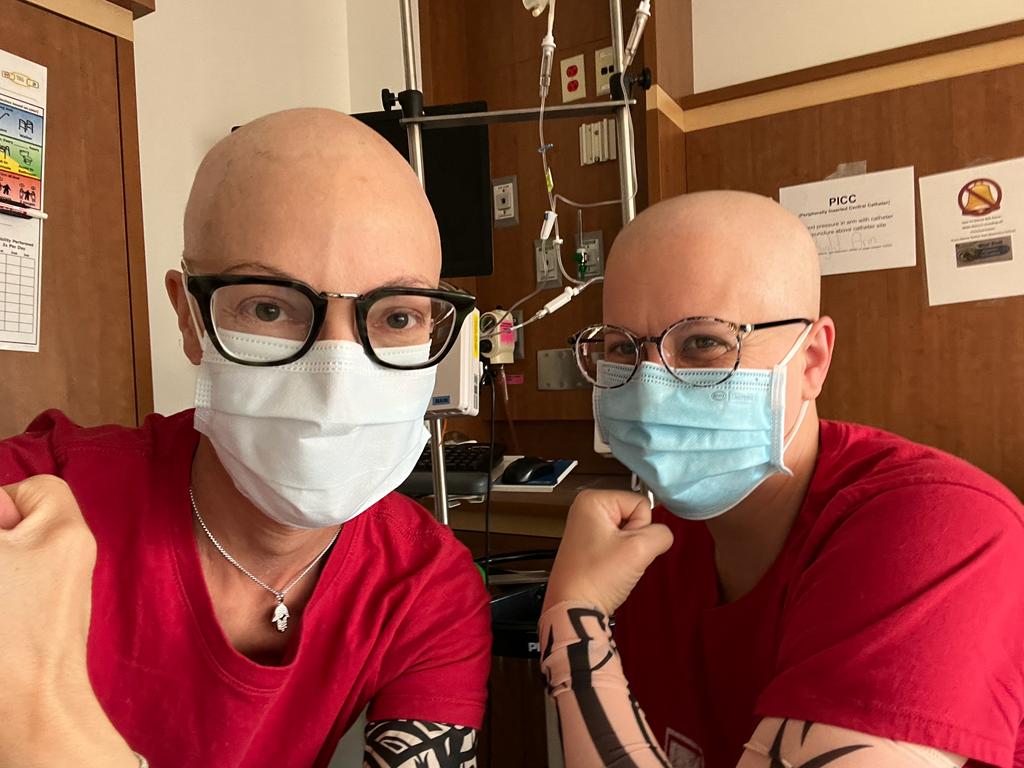
In the world of chronic illness, medical experimentation, and clinical trials, we tell two stories, two extremes. There are the wins and the losses. We talk about rock bottom, extreme depression, debilitating disability and we talk about overcoming everything, beating the odds, the one-in-a-million story. Believe me, my professional expertise is storytelling and media and public relations. We tell the shining beacon of hope because that’s what gets picked up by news outlets. We don’t talk about basic survival, doing better-ish, surviving but not thriving. That’s not newsworthy, headline building or click bait. There is so much nuance in chronic illness; we live in the gray area and that unfortunately, is the hardest story to tell. But to me, that’s where the true story lies. That actually might be the beacon of hope I didn’t know to look for when I started this journey.
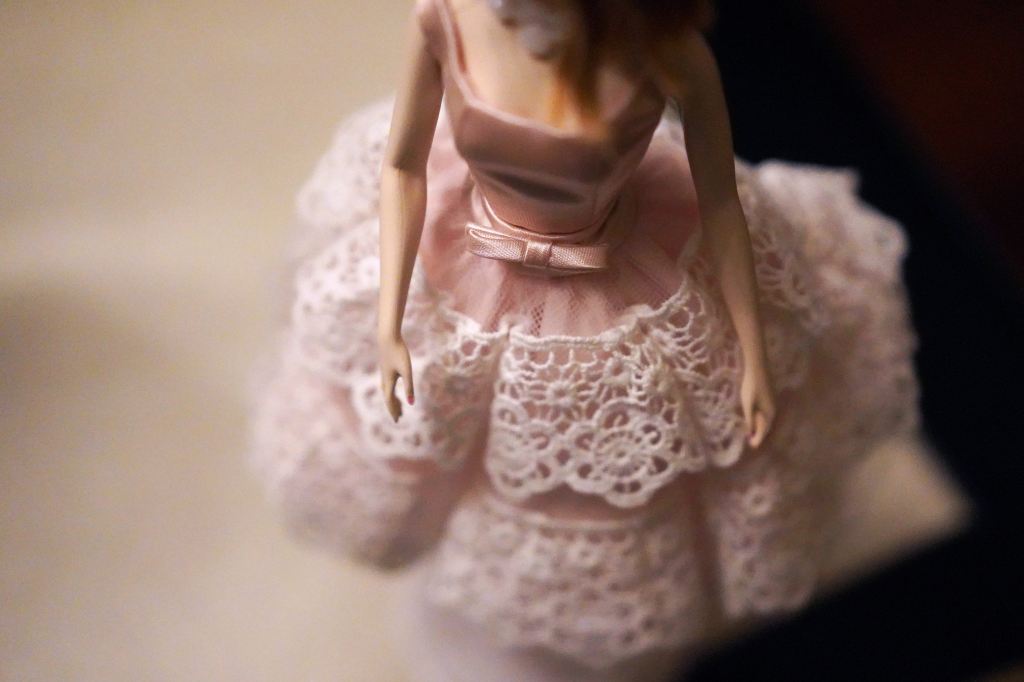
Put another way, and having recently watched the Barbie movie, I keep thinking of Ameria Ferrera’s pitch at the end of the movie to Will Ferrell for the getting it done, doing ok, normal, mediocre, just holding things together Barbie. Continuing this analogy, I’m that Barbie – Chronic illness, getting by, some days are utterly awful, and every day has at least a few moments of complete wonder, Barbie.
I wanted to be a success story, but I’m realizing I’m just me — unapologetically me. My story is mine alone. But thank goodness I have Erin to tell my story to. And thank goodness I get to hear her stories as well. It’s in the telling and being heard, not in the comparative analysis that magic happens.
 My Chronic Library
One response to “Chronic Illness-Doing OK-Surviving Barbie”
I love this so much, Carolyn. I’m forever grateful I got my shit together enough to find you in my post-Cytoxan haze that day. Our stories will always be uniquely ours, but in the end, we are both just Figuring-This-Shit-Out-With-Varying-Degrees-Of-Success-Depending-On-The-Day Barbie. I’m learning to be okay with that narrative. And it helps that she still gets to wear cute clothes.
LikeLike