
In a recent interview with my former neurologist (publishing soon), he asked me when the right time is to tell your employer about MS and what my personal experience had been with my various employers. I most definitely veered off course in my answer which got me thinking about my journey in disclosing my diagnosis. And, how it’s changed over the years as my disability went from invisible to visible.
After the diagnosis
I was working for the federal government at the time I was diagnosed. There was no indication I was ill or had a disability. On the outside, I appeared to be a 32-year-old active and healthy woman. I had been at my job more than a year and had a good relationship with my boss and colleagues. Despite having zero outward signs of the illness, I felt I had to, or I should, tell the people I worked with. There’s no manual with a new diagnosis. You make it up as you go along. I was ashamed and mentally reeling from the diagnosis, but I also felt the need to over explain if I was calling out for a sick day or seemingly tired. I felt I had to prove to others (and myself) that I was ok.
I was traveling. I was hiking. Days prior, I had been in Charleston with no clue my life was about to change.
In America, we don’t teach rest and restore. We teach buck up and keep going. This is the only time since diagnosis I felt pressure to disclose. It’s no one else’s information to share or convey — not family, not friends, and not your employer. You share when and with whom you want. Period.


Three months following my diagnosis, I experienced my first relapse. I remember going to see the musical Wicked and the next day running a 5k with my roommate. I kept blinking thinking my contacts were smudged. Nothing brought relief and my vision continued to deteriorate. A few days later, I went almost completely blind with optic neuritis on both optic nerves. Looking back of course you call the doctor. But at the time, it’s really hard to differentiate anxiety and overreacting with when and how to contact your neurologist and what treatment or tests to receive. My neurologist at the time said, “You’ll know when it’s a relapse.” Newsflash to her – I didn’t.
The newly diagnosed are reeling on so many levels and are used to weird symptoms that come and go without rhyme, reason, or explanation. You are tired, have coffee. Have a headache? Take Advil. Numbness and tingling or loss of sensation? I probably just sat wrong. There are a thousand ways we explain away the signs of our body’s distress. Most of us took our health as a forgone conclusion until the moment we were told we were chronically ill with an incurable disease.

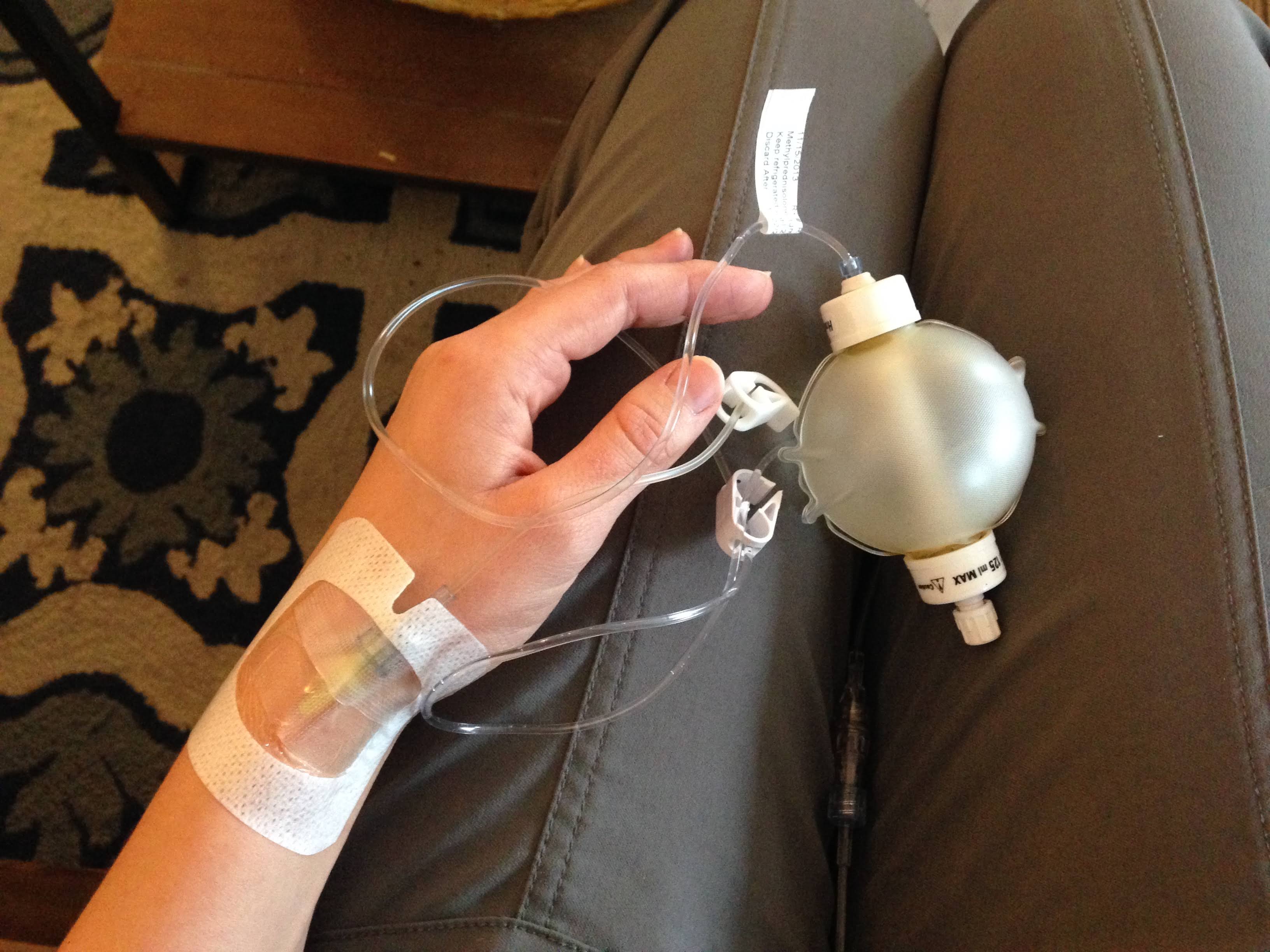

Again, I didn’t want to appear weak, or tired, or less than so I kept working. I received in-home, high-dose steroid infusions and worked remote for three consecutive days while I received the medication. I could see that a person was standing in front of me, but I couldn’t see their face or any distinguishing features. I could read a computer screen but only after increasing the font to almost 72 pts – a major inconvenience when you work a desk job. I asked my colleagues to adjust and be patient with me and I kept working. For the record, I now think this behavior is insane!
I recovered full vision, and I kept pushing. I ignored signs of stress and overwhelm. I drank. I ate whatever I wanted. I ignored the need for sleep.
I pushed past my limits, traveling, trapezing, walking.
Life planning and decisions
I am a planner. I was diagnosed in 2013 and by 2015 I was moving from Chicago to Cleveland. I consciously thought about what I would need if things got worse related to MS. I didn’t have a car in Chicago. I had great medical care but was unhappy at my job. My immediate family was mostly in Cleveland. And Cleveland Clinic was in Cleveland. Cost of living would be better and the life I thought I was working towards at the time — family, kids, house — made more sense in Ohio.
I established care at Cleveland Clinic before I moved. I chose the date of my departure from my federal job with two things in mind. One: I had to wait three years for my vested 401k contribution. And two: If I worked the first day of a new month, I was covered by insurance for that entire month. The importance of good health insurance in the United States with a disability or chronic illness cannot be overstated.
Without a job and relying on the generosity of my sister. I packed up a life I loved in Chicago, in the best apartment I ever lived in, and moved to Cleveland.

Life sabbatical
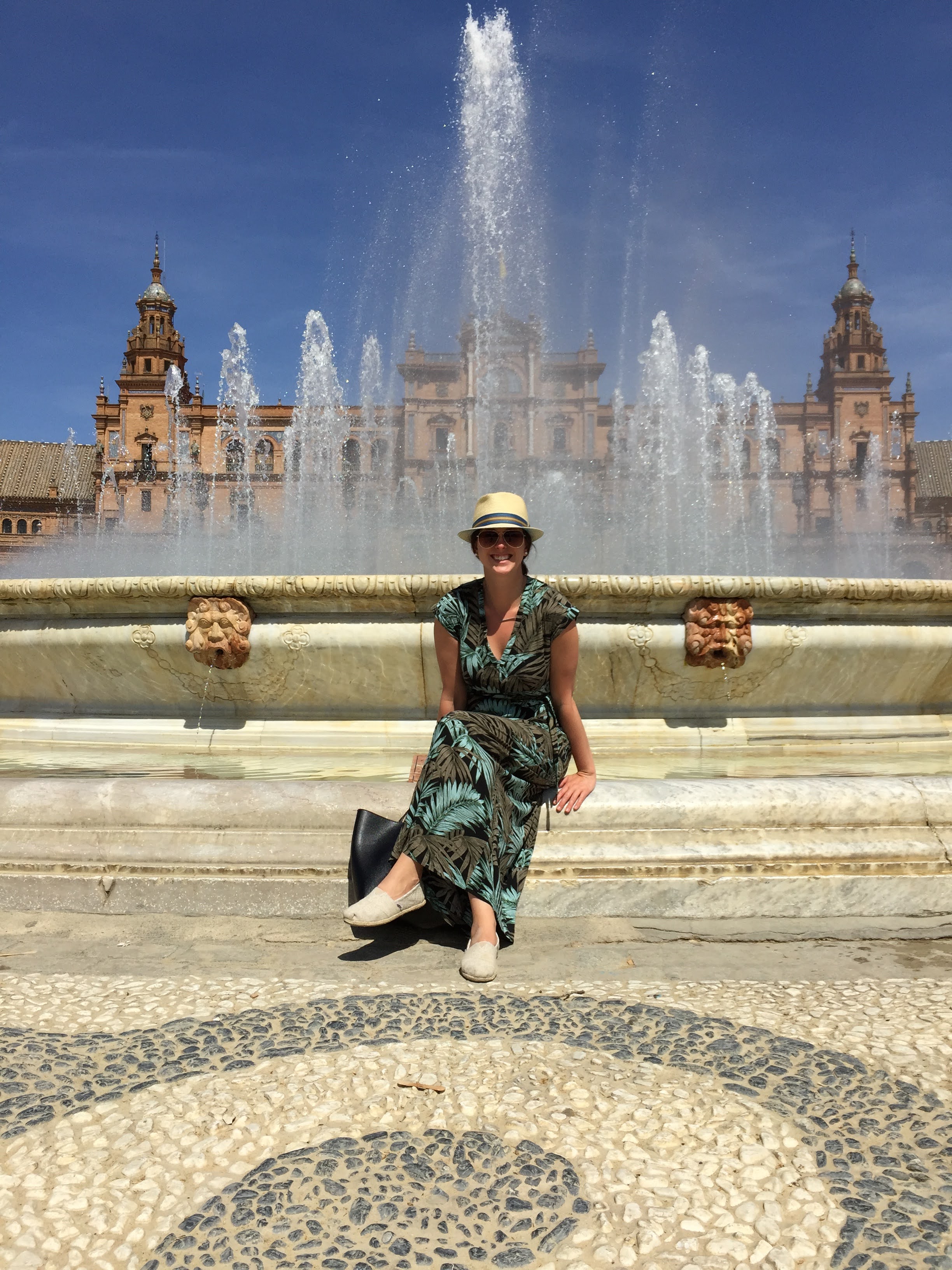
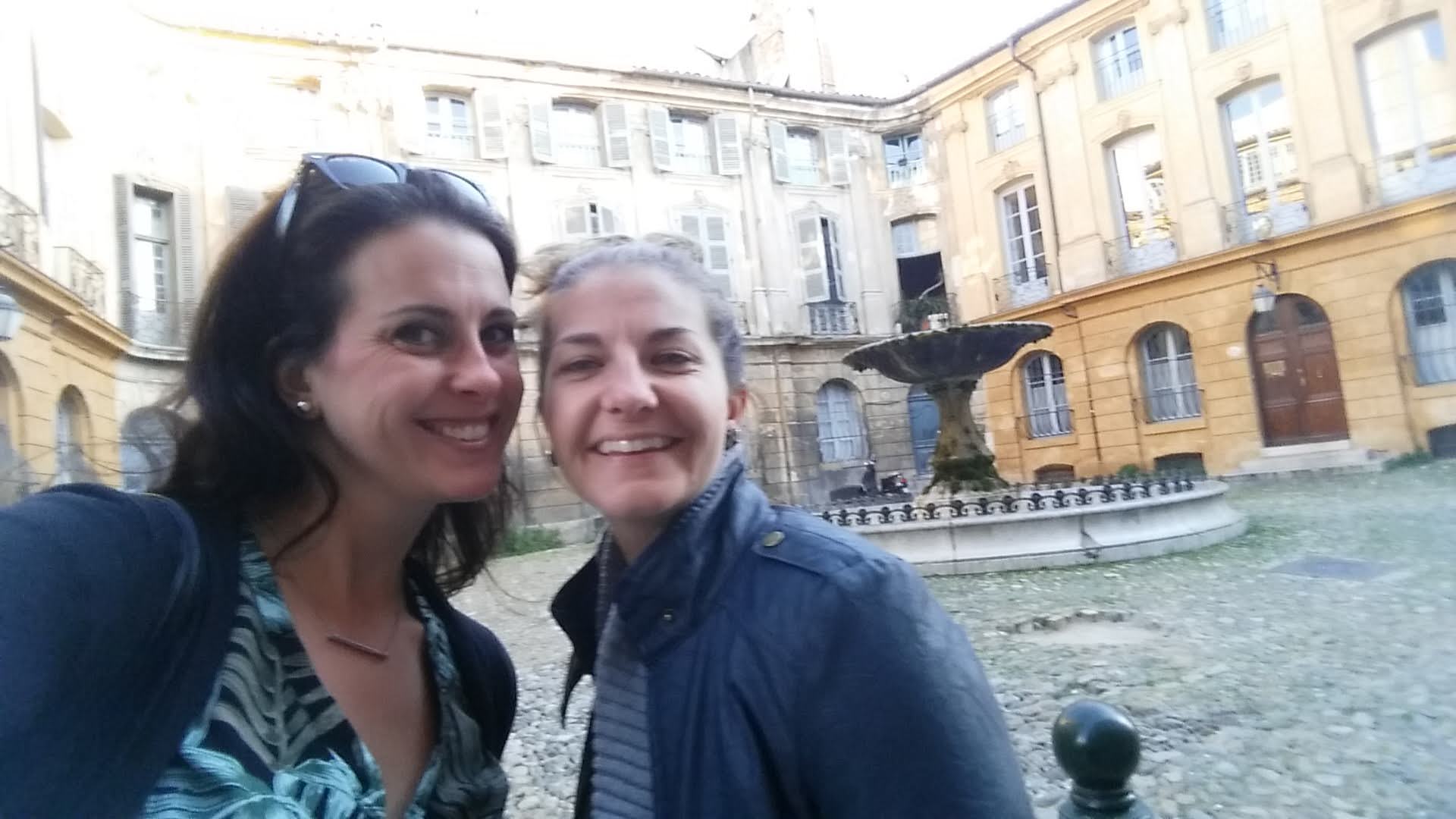
I have always loved travel, no surprise there. With no job but all the free time in the world, I planned an epic adventure. At the time I thought, “If not now, when?” And also, that at this point in my career, I would inevitably get a job and be able to pay off any debt incurred. I didn’t know how long I would be able to walk or carry my suitcase and travel solo. I planned an epic three-month solo trip through Europe. Hands down, this was the best decision I’ve ever made. In my darkest times I remember my travels, look through photos, and revel in a life well lived.



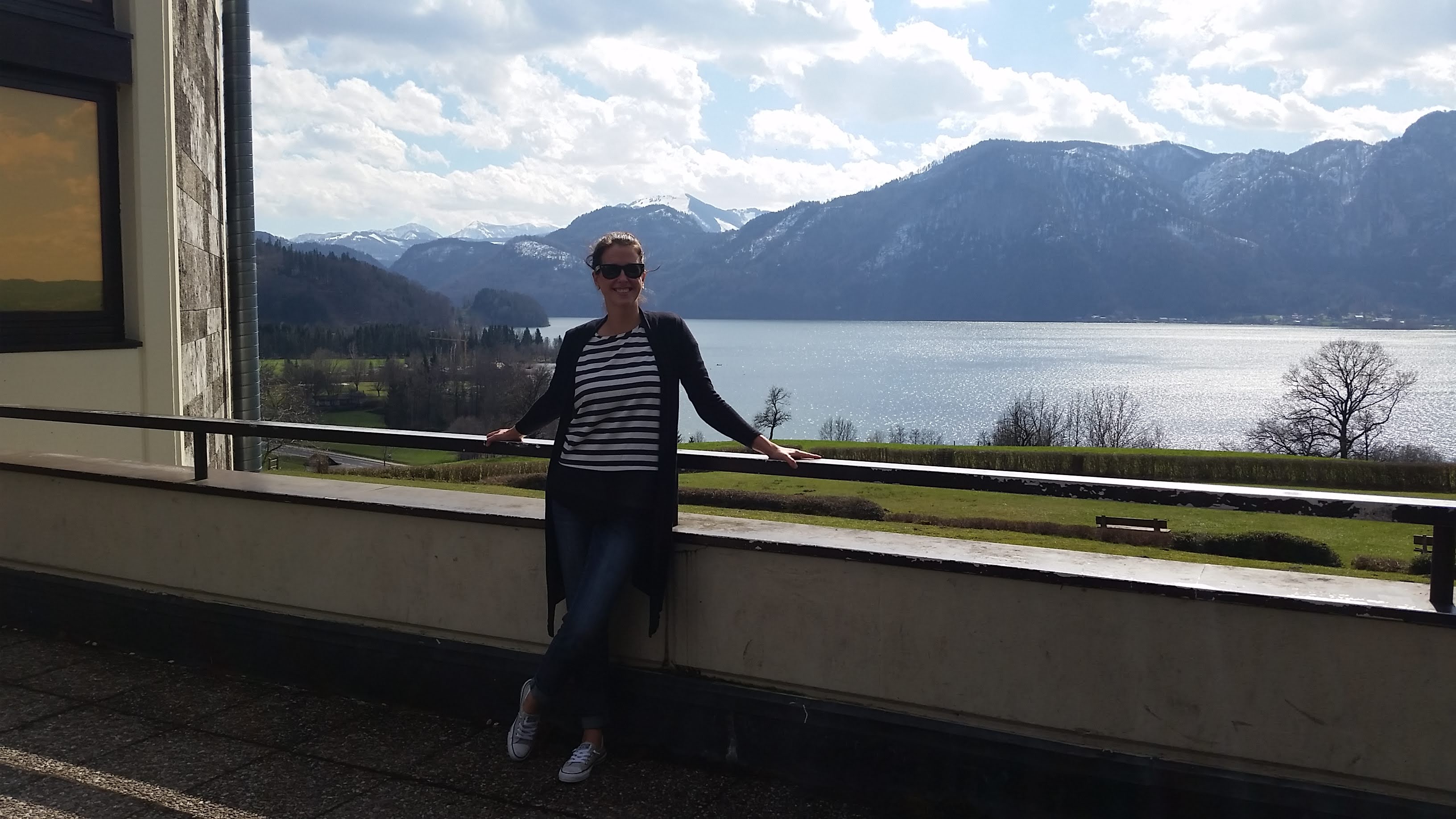


I should probably do a whole post on planning that epic trip, but photos don’t even begin to capture the joy from those months. I’m so lucky I did it and I’m grateful for every memory made. For those wondering I visited London, Amsterdam, Hamburg, Bludenz, Gratz, Vienna, Budapest, Prague, Aix-en-Provence, Barcelona, Granada, Seville, and Lisbon.




A fun job
I returned from my epic adventures and needed a job. I ended up as the Director of PR at the new Hilton hotel under construction in downtown Cleveland. It was fun, but also probably the worst decision for my health. Talk about a party – each day there was booze, a client dinner, a trip to NYC or Dallas, a sales outing, or a media dinner. I learned Cleveland as I repped the new hotel prior to opening. I endured months of stress and all-day events. We opened the hotel, hosted the CAVS championship parade downtown immediately followed by the Republican National Convention, the Hilton Worldwide Sales conference, and the World Series.
Again, not really learning from my mistakes in any way. Looking back, under the guise of health, it’s amazing how easy it was to ignore my body’s SOS signals. I ignored, and I kept pushing.






I vividly remember doing a walking tour of a competitor’s hotel in downtown and my right foot went completely asleep. I took off my heels for a moment thinking it would pass. It didn’t, I had lost all feeling. Eventually feeling returned, but I got scared. I told my boss about my diagnosis, but no one else at the hotel knew. It was an afterthought really, not born out of necessity. Telling an ally in business was easy when I already had the job. It was easy when they already knew my worth as a professional. I did not fear retaliation, but I was still more concerned with others’ perceptions of me, than how I felt about and took care of myself.
Targeting a job in healthcare
There are a lot of jobs in Cleveland and a lot of company headquarters. I knew I wasn’t made for hotels and that I needed to care a bit more about the work I was doing. My Hilton boss once said to me, “At the end of the day, we’re just selling used beds.” Ewwwwwww and also accurate. I met with communication leaders around the city, networking and learning about their teams from Vitamix to Goodyear, agencies and corporations. But I knew I wanted to care about my work and professional contributions, and I already cared about healthcare. I also knew that working for a hospital would probably pan out in terms of access to healthcare and insurance coverage. Spoiler alert: I was right.
I have friends still active in theatre who bemoan the lack of insurance and the need for universal healthcare in this country. I do not disagree. Our system is broken, and the wrong people are in charge. However, working in the world that exists now, I had to get a job that ensured I was taken care of. Then and now, nobody was coming to rescue me. I had to take care of myself.
Acting, being a part of theatre, creating, and being silly sounds wonderful and amazing and way more fun than press releases about urological surgery and cancer treatments. But I did not have the luxury of being an artist any longer. I had to make decisions based on planning for a debilitating and degenerative disease. It wasn’t fair, but it was necessary. I went after and got my job at Cleveland Clinic with focused deliberation.
I’ve said it before, I don’t dislike the life I lead, but I do resent the lack of choice. I am not sure I would live in Cleveland or work at Cleveland Clinic if I had not been diagnosed, but nothing is gained thinking or dwelling in the “what ifs.”

Still, I remember applying for my job at Cleveland Clinic as a formality, after I had been verbally offered the role. I stared at the screen for what felt like an hour – the page asking me to self-identify as a person with a disability. Employers can say “equal opportunity,” but I didn’t believe it then and I don’t believe it now. In the end, I did not disclose that I had a disability on that application, and it was more than a year in before I told a single soul about my illness.
Once I had the job
Working in healthcare is very strange. I hear the latest research, and I get to share and promote patient success stories. I learn healthcare terminology and befriend doctors. I read and hear media interviews about drugs I was prescribed or am currently taking. I have tremendous access to information, healthcare operations knowledge, and brilliant clinicians. I’ve learned how a hospital and healthcare systems are supposed to work and how in reality, they actually do.
I told my boss. Then I told my partner in PR. Then I told doctors I was interacting with. It seemed safe. It seemed ok to disclose. But then my disability progressed, my stamina decreased, walking became difficult, and shit got real.
I took FMLA in the autumn of 2020. Nobody helped me figure out how to request leave that wasn’t for maternity. Nobody in my office had experience with FMLA for disability or what the process and options were for the concurrent request of FMLA and short-term disability. What were my rights? What were the forms? What was the process? Would I be judged? Would this impact my career trajectory?
My health and mobility declined, and I was terrified of being seen as less than.
Discrimination and unconscious bias
- Can I prove discrimination? No.
- Do I feel like my illness has negatively impacted my career and how I’m viewed? Yes.
- Do I feel like I could lose my job? No.
- Do I feel supported by my leadership and team? Most of the time.
My team is supportive planning meetings in accessible locations, offering rides, and assistance. At a team meeting in January, several team members said, “I’m not going to bug you or keep asking, just know I’m here to help if needed.” It was awareness and kindness in action.
It’s a mixed bag as you can see. I know I am good at my job. I’m also lucky that I am trained and competent in a career that is easily done from my living room. My mobility challenges impact the logistics of my work but not the work itself. But people have told me that in order to progress in my career, I would need to be more “present” and in my case that means “in person” or “onsite.” I also recognize — and this feels cruel in comparison to write — that this disease has not impacted my brain, my memory, my sense of self. I can’t easily walk, but my memory, word retrieval, and cognition are intact. Others are not so lucky.
Allys and advocacy
I take my role and job security seriously and use my access and voice to advocate for others. The disability experience is isolating. It’s scary. And you don’t know who to trust. There’s no telling who will be advocate or adversary, but at some point, you have to rip the band aid off and share your needs. There’s no guarantee on the outcome but you hope for acceptance and assistance.
While my experience is mine alone, here are a few things I experienced and learned along the way:
- Most HR professionals have absolutely no clue what is legal or appropriate in terms of disability law and reasonable accommodation. You want them to be the expert and help guide you, but they aren’t. Do your own research and come to the table from a solid foundation of understanding your rights.
- Understanding your rights includes working with your healthcare professionals as well. I’ve heard horror stories of doctors refusing to fill out medical paperwork or justification for FMLA or disability leave. Or a specialist will push to a primary care provider who will then say no adding an administrative burden to an already flailing patient. It’s never happened to me, but it has happened at Cleveland Clinic. You have to request assistance from a place of knowledge.
- You will spend a tremendous amount of energy educating others on disability, inclusion, access, and more. This isn’t a bad thing all the time because when someone wants to learn, it’s an opportunity to exponentially improve the disability experience for all. It is, however, both mentally and physically exhausting.
- FMLA is great, but most people can’t survive without a paycheck for 12 weeks. Also, FMLA and paid leave are predominately based on the size of the company and what they are required by law to offer. Choose your employer wisely. Our FMLA protections are the bare minimum.
- Learn and understand the difference between FMLA and short- or long-term disability. Once you know that, see if you can survive on a diminished salary. Our short-term disability covers individuals at 60% of their salary.
- If you can survive on less than your whole paycheck, take the damn leave! It’s touted as a benefit and included in your overall benefits compensation package. If you have a chronic illness and need time off, take it. I promise you; nobody is thinking about you as much as you think they are. You do not appear weak. You are not less than. A job does not love you back. A job does not set your boundaries, you do. Health and wellbeing are precious commodities while jobs come and go.
- There is a massive socioeconomic inequality from hourly to salaried jobs in terms of access, free time, health literacy, flexibility, and advocacy. It’s not fair, but it’s true. There are other injustices around race and gender too.
Personal choice and responsibility
I see injustice and inequality everywhere I look. The world is not designed for me. Most people are blissfully unaware of the disability experience until their eyes are forced open. Disclosure, choosing when to share and who to trust, is multifaceted and there is no right answer. But a little planning is better than none:
- I suggest asking HR or talent acquisition/recruitment about insurance plans, medical and pharmaceutical coverage, leave policies and more during the interview process.
- When you’re hired, explore the HR portal or Workday or whatever system your company has.
- Learn about the process, the forms, and the players before you need them.
- See if your employer has an employee resource group (ERG) or diversity council. Join it. I try and help others through our disability ERG, so nobody has to go it alone like I did.
Managing up and across
A colleague and friend of mine once shared that in business we accept accommodations every day. A parent leaving early to pick up their child, or someone missing an early or late meeting because a family matter arose, is in fact an accommodation. Familial inconveniences are accepted but they are no different than disability accommodations. Unfortunately, our society tends to see those seeking a disability accommodation as trying to scam the system, abuse the parking pass, or that they are lazy, underserving, or trying to get out of work. For those in a position of power, fight with all of your might, against this way of thinking. Set an example of openness, curiosity, and compassion.
Understand the reasonable accommodation process and come to the table with accommodation suggestions that are reasonable. This seems like a silly sentence, but a surgeon can’t suddenly be a remote worker – that isn’t reasonable. But do you need a screen reader, a blue tooth stethoscope, clear masks for lip reading, a different kind of light bulb, a closer parking space? Those may be reasonable.
Do your homework. Advocate for yourself. No one else is going to do it for you. A great resource and place to start is JAN, the leading source of free, expert, and confidential guidance on workplace accommodations.
We just want to work. We want to contribute. We want to live our lives. It might look different than yours, but different isn’t bad.
There is no hierarchy in worthiness based on ability or disability.
If you have advice for the disability community on how to navigate discussions and timing, please comment below!
 My Chronic Library