
I have tremendous access to my care team, but I also feel it acutely when things go wrong because I work there, I feel responsible, I know what we are trying to do as a health system. I can never just be a patient, that in some ways is a blessing, and in other ways, a curse. Both things can be true. Cleveland Clinic has been an incredible place to work, but there is also work to do to provide the best patient care and patient experience. I know too much. I know the standards, safety protocols, corporate messaging, and medical operations. I want to do something with that knowledge — improve our patient experience, help others. I want to inform patients how to navigate the system, like learning a new language.
With privilege comes responsibility
I have never, not for a single day, taken for granted my unparalleled access to my medical team. But because we work at the same organization, I’m a really scary secret shopper when I’m in the hospital and I’m incredibly energized in my self-advocacy with my medical team.
Most people don’t have the ability to try on neurologists, date around, find the perfect fit. I did and I do. I saw three separate providers before I found Dan, and that relationship is going on seven years now (I’m biased, but he is pretty great). Dan has a fellow (or maybe several?) every year, and I always meet and work closely with them as part of receiving care at a teaching hospital. He has a darn good track record in the years I’ve been his patient, for selecting his fellows and training exceptional doctors.
One such encounter was with Justin Abbatemarco, MD. We met in 2018 when my foot drop had increased, walking became difficult, fatigue was at an all-time high and I was lost, confused, frustrated, and angry. I wrote about my initial encounter with him including my abhorrent behavior, and luckily came to my senses and saw Justin for the tremendous physician he is. He helped me open up about symptoms and my willingness to accept pharmaceuticals to assist with my increased disability and the impact MS was having on my bruised and battered body. We’ve stayed connected over the years as he completed his fellowship, left Cleveland Clinic, and then returned.
Doctors teach patients and patients teach doctors
As I’ve written this blog over the past few years, conversations with him have shaped the stories I shared and will continue to do so moving forward. He profoundly impacted how I am as a patient — how I behave, my preparation, and also what I can expect in terms of compassion and communication from a doctor. I am acutely aware that as a patient, I too have a responsibility to go into appointments with an open mind and give each physician encounter a chance. I’m also more aware and less selfish in recognizing doctors are humans. While I would love them to solve all my problems, cure MS, and have the answers, that isn’t realistic. I need their partnership. I need us to work together. I need someone to trust, who also pushes back when I challenge a medication, recommendation, course of treatment, or medical test.
This weekend, I am once again taking over the Instagram channel for Shift.MS. This will be my third takeover for the MS nonprofit based in the UK. My first was in 2020. It was utterly terrifying coming out about my disability publicly when I shared my diagnosis and progression, but it was also quite wonderful to discover a global community of others who understood my struggle. The second in 2022 was unplanned when I jumped in after a cancellation. It also happened to be the weekend before HSCT kicked off with my port insertion and chemo. Because of that takeover, I met Erin, and we connected and have formed a life-long friendship. In preparation for this takeover, I pondered how I could use my access to benefit MS patients around the world.
Listen: 1:1 interview with Dr. Justin
I asked Justin if he was willing to share his perspective as a doctor. He agreed. Below is our interview recorded a few weeks ago. I plan to share cuttings during my weekend takeover on Instagram, but it’s worth a listen. Even though I do this for a living, being on camera is tough. But I think it’s evident that Justin and I have a good and honest rapport without the video. I think he clearly demonstrates how thoughtful he is with his patients.
He shares his memory of our first meeting, what he’s learned from patient encounters with me, how he recovers from heavy conversations day in and day out, and his hope for research and treatment looking forward.
Use the whole team
In the interview, Justin references the incredible team at the Mellen Center for MS at Cleveland Clinic, and the importance for a patient to utilize all available resource. The PT and OT specialists I’ve seen have been instrumental in helping me understand my body in both function and decline. Randy, PT extraordinaire, has been with me since I moved to Ohio (he makes a brief cameo in the video below). A fierce advocate, excellent teacher, and talented physical therapist. I found a video of my intense PT in the Mellen gym from 2018. Some things, despite my best efforts, were just out of my control. I tried, but the disease had other plans.
It’s hard to imagine all of the people working behind the scenes if you only see one doctor. I think it’s important to understand the various experts coming together to discuss hard cases and strategize a path forward. There were many moments in the interview that touched me, but the one that stands out is Justin’s emphasis on the hard work the patient puts in. He acknowledged his contribution as a doctor and also highlights the mental, emotional, and physical toll and effort of the patient.
We have power to affect our health and wellbeing in the face of a disease that takes away so much. That brings me a modicum of comfort.
Watch: Remember mobility?
Below is a video of me in 2018. Same grit. Same determination. More mobility.
The agility captured (which I felt slipping away even then), seems unfathomable now. Watching the video actually sparks joy, not sadness. I was trying – in all possible ways – to stay healthy and mobile. I have to believe it slowed something down. For me the act of trying is part of my defiance of the disease.
2018 was a rough year
Looking back to the year I met Justin; I realize 2018 was the beginning of my steep and steady decline.
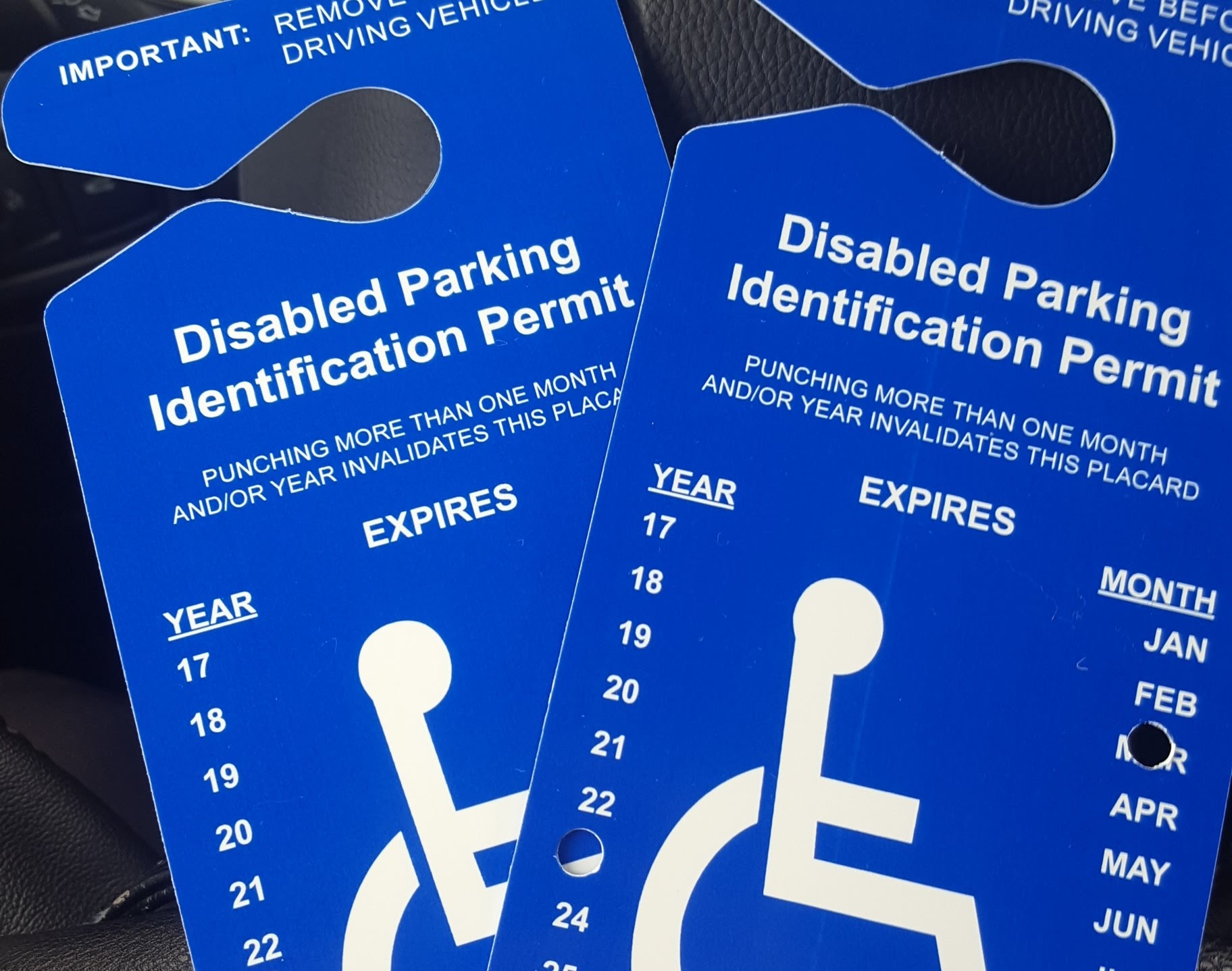
- I asked for disabled parking placards and was terrified to use them for fear someone would wonder why I was using the disabled space. (Spoiler alert, that never happened).
- I suffered my first miscarriage.
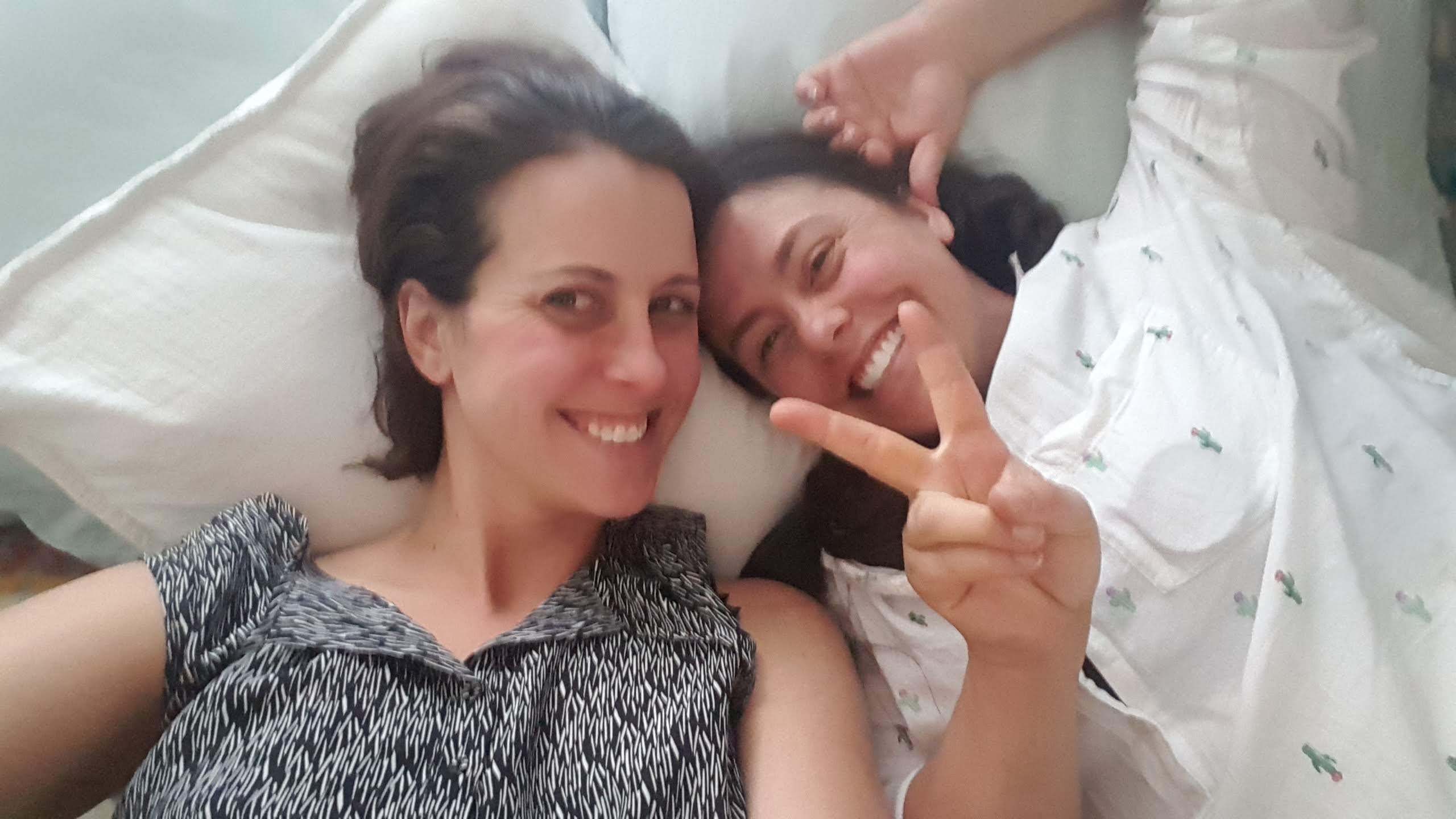
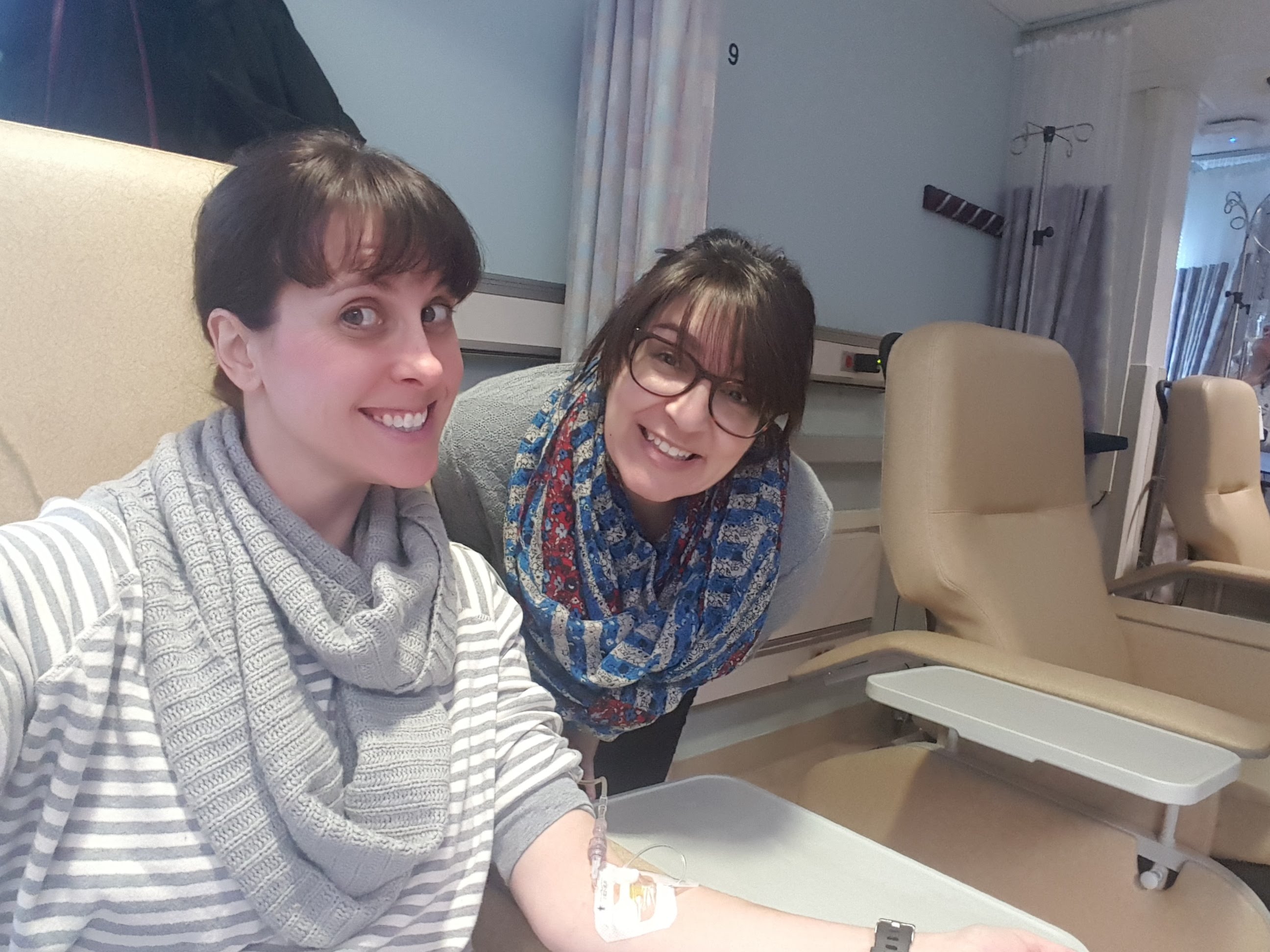
- I had an unexpected relapse when the wonderful Maggie was visiting from California, and she spent the beginning of her visit at Mellen with me while I got my steroid infusion.
- I wandered unencumbered through the French Quarter in New Orleans during one of its many festivals. I remember face planting on the pavement. Luckily in NOLA, everyone just thinks you’re drunk. I was not intoxicated, but I was unable to lift my right foot.
- It’s the last time I saw my friend Marcella in person.
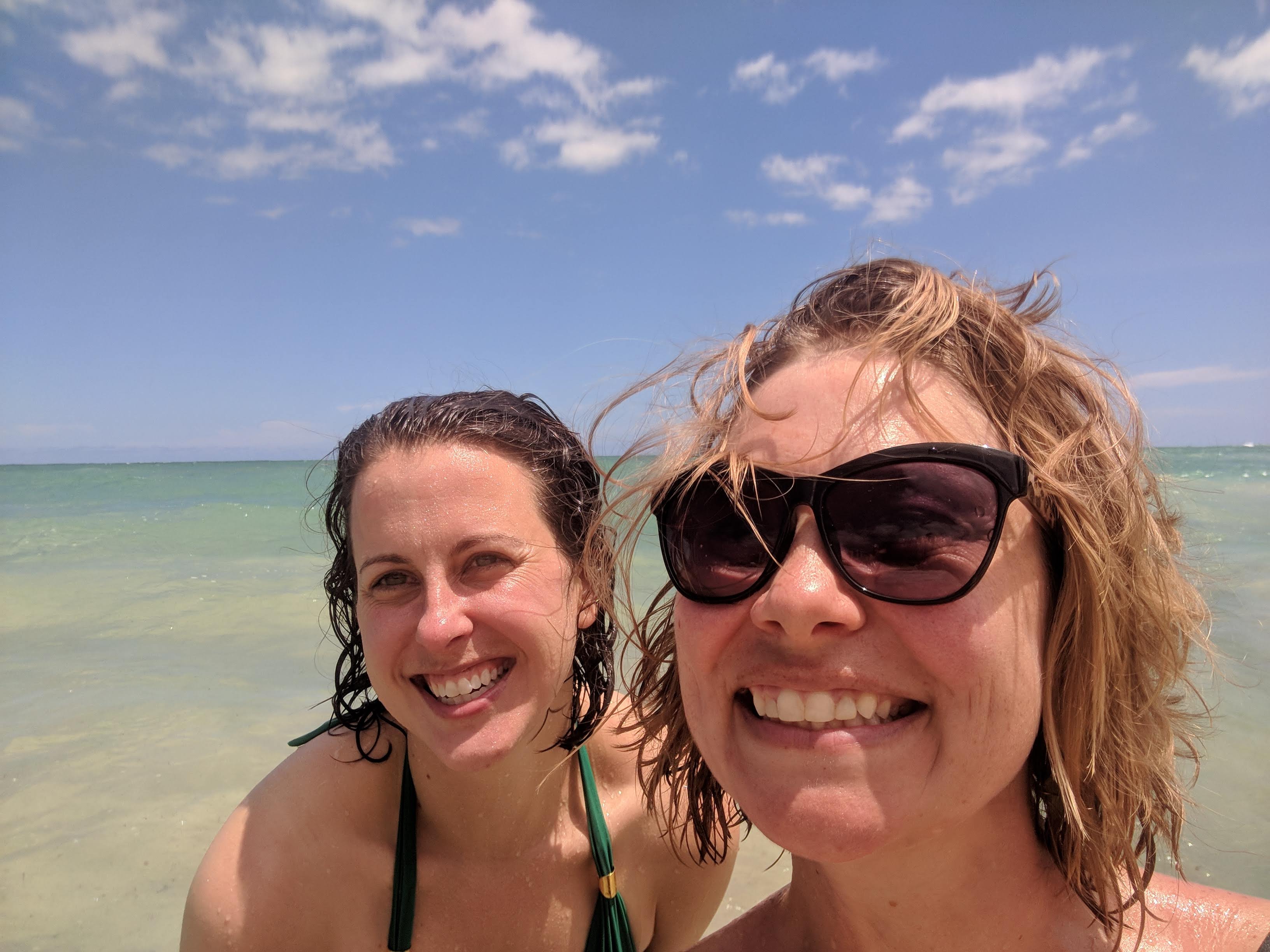
- It’s the last time I walked freely, uninhibited on a beach and swam in the ocean in Puerto Rico, visiting Josie.


Chronic illness, disability, and an MS diagnosis equal a life of uncertainty. No two days are the same. Disability tends to make sense in hindsight but is overwhelming and scary in the moment. I feel so lucky to have found incredible physicians and friends to help me navigate this bonkers life. People who are willing to talk, and at times fight, so that we come together to create the best possible path forward. I love that I work at a place that improves my understanding of health care and helps me navigate the difficult world of chronic illness. And, if you happen to end up as my roommate when we are hospitalized, I will advocate for your care too (hi, Jen!). I will try to help make sense of a very complex and overwhelming health care system.
I hope that every patient feels seen and heard and is able to create a partnership with their care team. I want to empower individuals to take control of their health and wellbeing.
Thank you, Justin. You are one in a million. Life has been infinitely easier with you in my corner.
 My Chronic Library
3 responses to “An Interview with my Former Neurologist”
Love the idea that doctors and patients can teach each other!
Linda xx
LikeLike
Justin is a gem and he’s taught me so much. So glad you enjoyed as well.
LikeLiked by 1 person
🌞
LikeLike