A common theme I’ve encountered with my family and friends is that until watching my struggles to move around the world, they had not noticed how inaccessible the world truly is. I can hardly fault them; I myself took no note of its inaccessibility. It was open to me with unfettered access. I traveled far and wide. I took jobs without thought of reasonable accommodation. I thought movement was guaranteed. I noticed in passing, wheelchairs, scooters, strollers, walkers, and canes. I held doors open because that’s the right thing to do. Everything was an assumption of equity and access based solely on my experience. I’m embarrassed even now writing this.
Does that sound like you? Do you think about the privilege of access? Or an experience you’ve had that someone else could not? Do you pause at the wonder of your body and the movement you have? Or do you take it for granted? Do you think activity should be celebrated above all else or that rest must be earned?
When something works, we rarely give it any mind. Like when you fall ill, you wish to be well. But when you’re well, what else do you wish for? When well — or functional, mobile, able bodied, energetic, pick your word — do you feel grateful for that ease? Do you assume it’s guaranteed for tomorrow? I did.
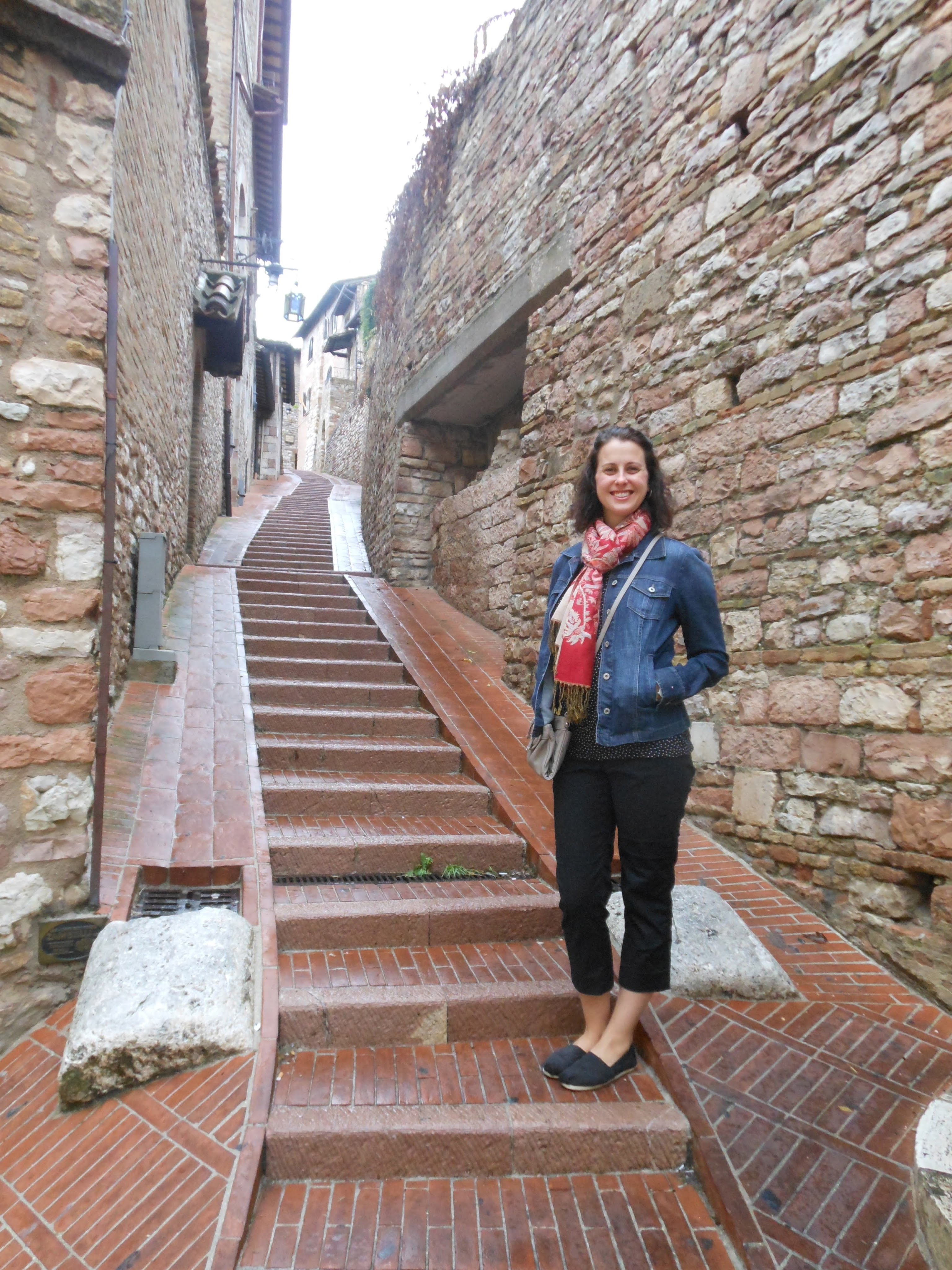
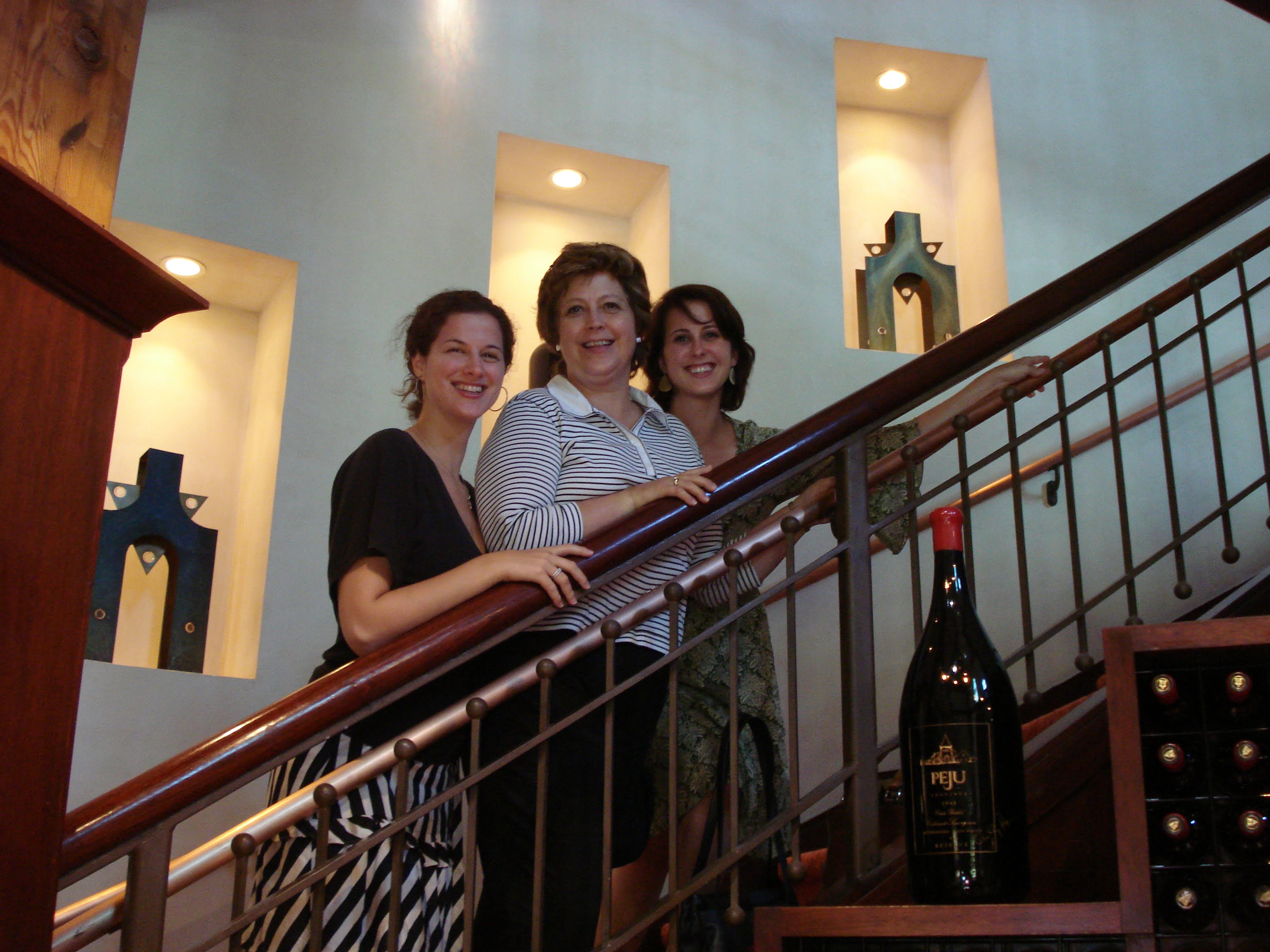


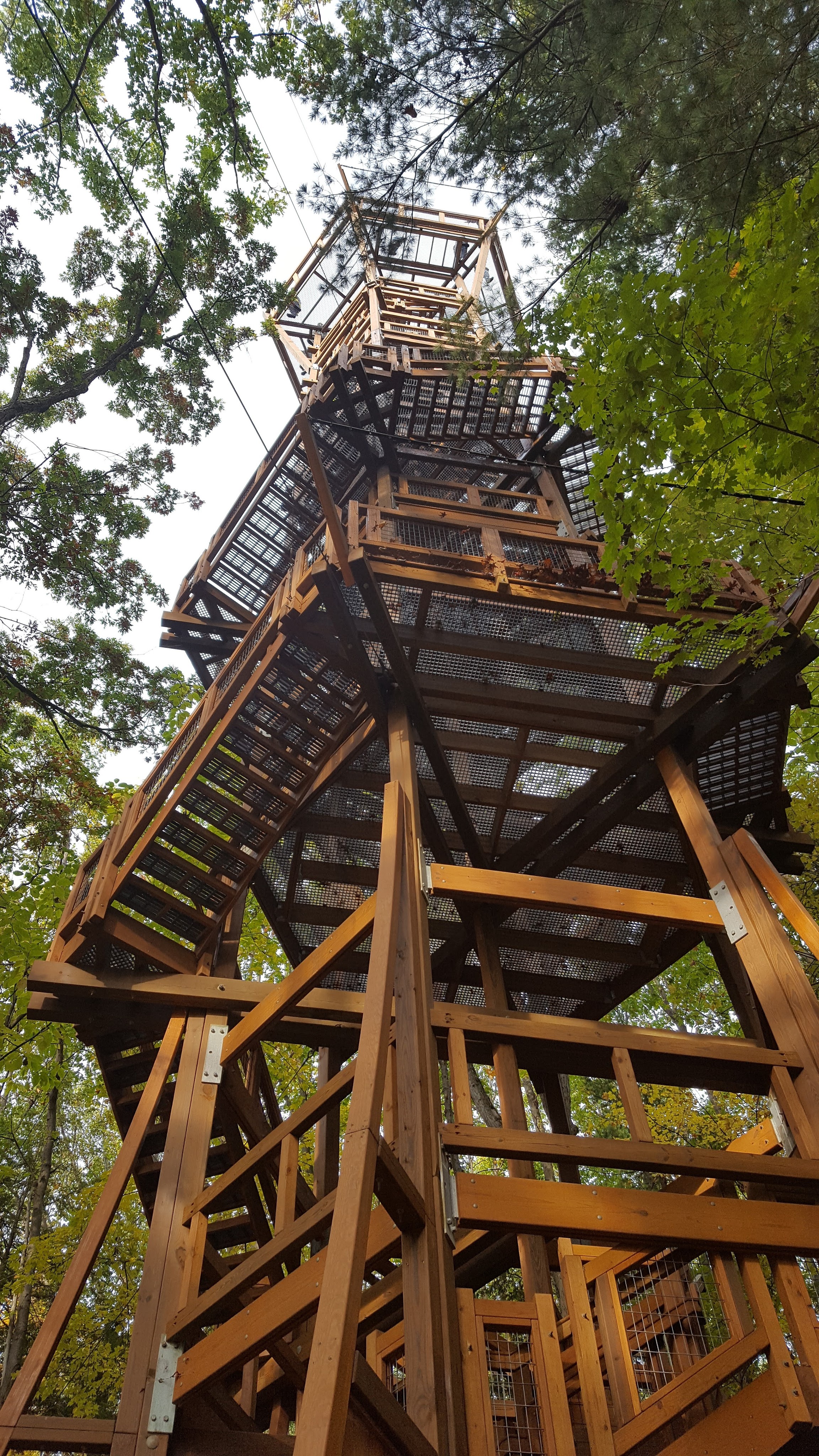


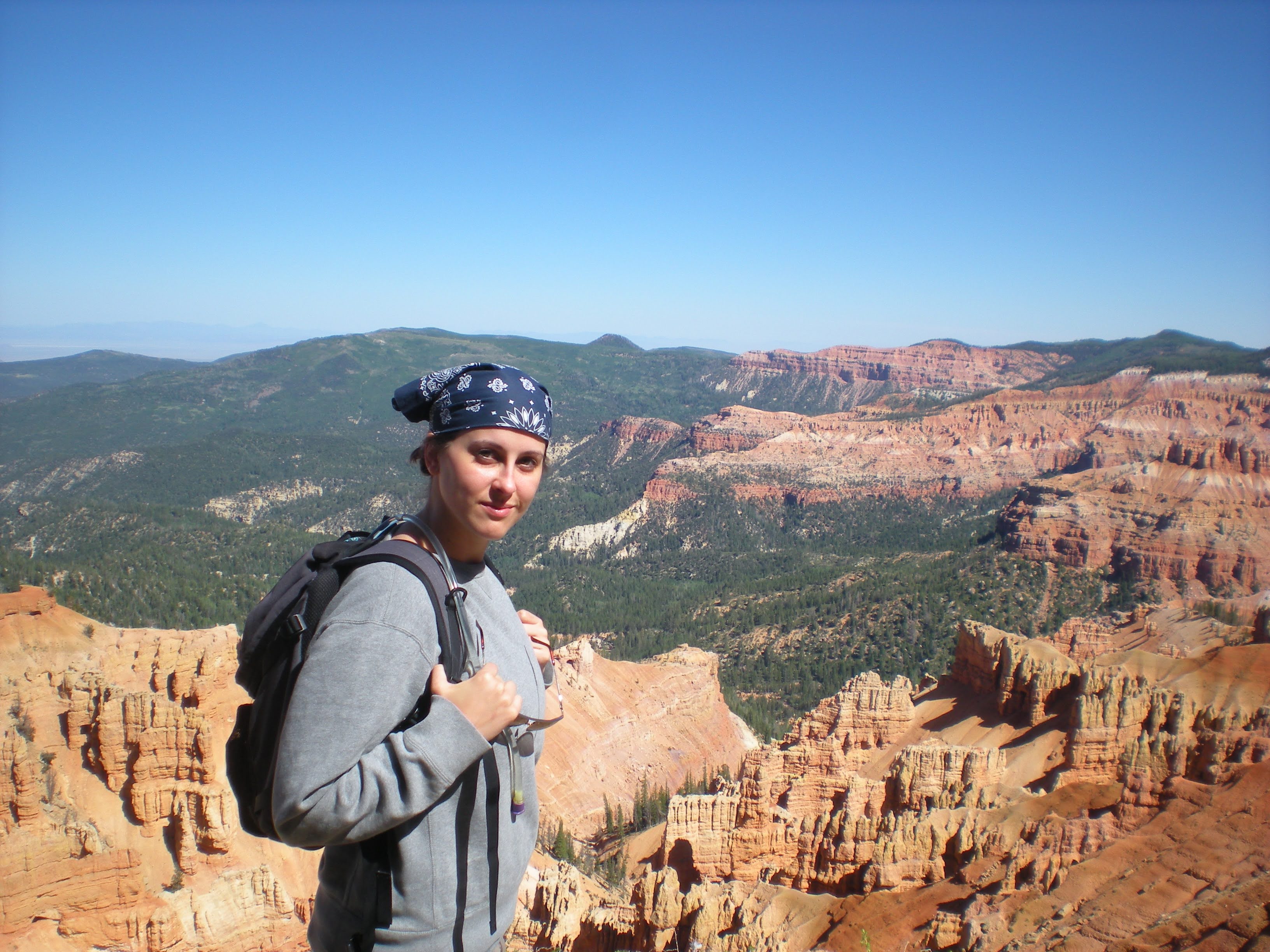
I take a lot of photos as evidenced by the last two posts alone. Searching my more than 36,000 images yields views from my past I can only experience through memory but never again in person.
I see things differently now.




The inception of disease
At various stages of my degenerative disease, different aspects of life were impacted. At times invisible to others but still present to me. I was diagnosed in my 30s but when did it start? When does disease begin? Or is the starting point less important than the moment the scales tip to a point of no return? The early signs of disease tended to be small or easily argued away against the speed and necessity of life. But once diagnosed, it’s too late to undo the damage. The time for intervention long passed.
Ignoring the body
For those acquainted with me in my 20s, I seemed to have unusual bad luck with food poisoning and motion sickness. I threw up all the time. Not regular enough to be of concern or even mentioned to a physician, but enough that I knew something was off. Did I have MS back then? Or was there a decade of warning I ignored? I had thrown up on planes, boats, trains, automobiles, taxis, Ubers, subways, and everything in between. I used to assure strangers nearby that I wasn’t drunk. It’s hard to time travel and remember how different the world was, my knowledge (or lack thereof) of health and disease, and how I moved through and around my daily life.
Back then I had a separate camera, iPod and cell phone. Instagram did not exist. Netflix mailed you two DVDs at a time. The fallacy of 10,000 steps was still a glimmer of a future marketing campaign. At the same time, I had no knowledge or awareness of what it meant to have an unregulated nervous system with sensitivity to loud noises, light, too many people. I thought my pervasive fatigue was what everyone experienced when they said they were tired. Gluten free was considered insane or woo woo. The Affordable Care Act didn’t exist, so I had emergency insurance therefore did not go to the doctor. I went to Planned Parenthood for basic care because it was free.
I had never heard the phrases disease modifying therapy, foot drop, rollator, or optic neuritis. I didn’t absorb clinical terms like lesions or the difference between cervical, thoracic, or lumbar in my spine. If I heard it; it didn’t stick because it wasn’t relevant to me.
Fast forward to my 30s
By the time I saw someone about my inconvenient and pervasive vomiting, I had employer insurance, outstanding medical coverage, access to an integrated healthcare system in Chicago, and the time and means to seek care.
I had a gastroenterologist inform me that it didn’t matter what I ate because food allergies were a myth except for the rare and extreme instances. He told me he thought I probably had digestive migraines. He ordered an MRI just to be safe. So, I got it. I remember the neurologist telling me the MRI was “all clear” and that he was confused why I was there as I had no neurological symptoms. I patted myself on the back for going through with the tedious but necessary appointments and thanked my lucky stars that I had insurance.
A recap in case I lost you…
I threw up a lot, so I saw a GI specialist who ordered an MRI where I was told by a neurologist that I was healthy. So I went back to life with the reckless abandon and brilliant delusion of a healthy young woman. Six months later I found myself at an ophthalmologist at Northwestern in Chicago asking me if I had ever had an MRI, pulling up my scan in the electronic health record, and telling me to walk myself to the Emergency Department to be admitted to the hospital because she thought I had MS. You can read my full diagnosis story here.
Days before this encounter I was in Charleston, North Carolina. For a myriad of reasons I shan’t go into, I had to scale an iron spiked fence pictured below to escape the luxurious B&B where I had stayed. I lifted a leg, hoisted my leg over, balanced, and dropped to the other side without injury or tearing my pants (my companion was not so lucky). Lying in that hospital bed — the first time I had ever been an inpatient — I thought, “I can’t have MS; I’m so healthy!”

Shock? Whiplash? Incredulity? Confusion? Anger? Exacerbation? Yes.
But back to access and accessibility
On the other side of this, I can’t begin to explain (or at least not adequately or well) what it feels like when things in the body just stop working. The world now is so foreign to what it was then. I’ve often wondered if people born without function have the same, different, or comparable sense of loss and acute grief.
When I dream, I still walk and run as if my brain hasn’t registered the degeneration of my body. I’ve worked for years on what it means to accept my disability. In direct contradiction of current science and available medical treatments, I still think maybe they got it wrong and maybe my body will bounce back. Because my mind remembers and knows what my body forgot. The message is still there, but the navigation and delivery system is broken. Unfortunately, each day I wake and assess my body, mind, energy, and soul. There’s a moment, a beat, a breath. Then I plummet into reality.
Usually there is tension, soreness, spasticity.
Always there is pain.
Sometimes there is energy.
But there is never ease.
I can’t remember feeling well
I mourn the ignorance of health — I miss it, passionately and acutely. Feeling well seems so assured, almost pedestrian. But there’s nothing simple about it – it’s magical, wondrous and now, perpetually evasive. I sometimes wonder what the heck filled my days when I had boundless energy. What did I think about when I wasn’t worried about rationing energy and movement? There was a time I walked my dog for miles. I ran to the bathroom because I needed to go. I trotted up and down the stairs hands free. Think of all the things I did in a day because I wanted to and I could.
The world is not accessible to me
Now, I think about which mobility aid I need. But I also think about the one I need causing relief or harm. I can do more in my wheelchair because I conserve energy and am fast and mobile. But if I am using my wheelchair rather than my rollator, I am walking less. Which means I can’t sit for too long or I’ll get even more stiff. Are my muscles atrophying? Is this one time I lift my leg to help it move faster, the last time the leg moves on its own at all?
So I have to use the legs that don’t work. I must maintain the muscle mass that’s still there. But doing so, strains the neck and shoulders — muscles not designed to assist with walking. I brace the weight on my wrists, also not designed for that consistent and repetitive force. But also I must remember to stand up straight, while leaning on a rollator, because I need to keep my back strong and posture maintained.
Walk however I can but not the way my body used to. The foot doesn’t flex, the quad doesn’t engage and lift. The hip flexor doesn’t lift the knee. My leg swings round at the hip socket rather than through, clearing the floor. But don’t do that too much because the hip joints aren’t designed for circular walking. The joint will get damaged. The body compensates so well that by the time you notice, it’s too late.
And this is all before I leave the comfort of my home. The known. The familiar. Then I must enter a word not designed with difference in mind.
Welcome to my inner monologue whenever I try and move. Ever. All the time. Every day.
Am I doing too much or not enough? Should I walk poorly and with difficulty or risk sitting down in my wheelchair to rest, live, recover. But I wonder when I sit in the wheelchair, if I will be able to rise and stand on two feet again.
Motivation versus complacency. Determination and hope versus acceptance and resignation. There is no drug, no therapist, no treatment that eases this burden.
This is my reality.
To be clear, I don’t need or want your pity. My life is wonderful — albeit different — but still wonderful. I do however want your attention.
- Notice when accessible power doors are broken and say something to management to have them fixed.
- Don’t leave your grocery cart in the accessible van parking lines.
- Don’t double park for just a moment blocking curb cuts and ramps.
- Get vaccines to help everyone around you.
- Wash your hands.
- Wear a mask when you’re ill.
- See what is at eye level or within reach with where things are placed.
- Ask your disabled friends and colleagues if they need help and how to help.
- Believe them when they say something is hard or a struggle.
- Don’t wait until it impacts you personally to educate and inform others about accessibility.
- Just because you don’t need it, doesn’t mean others are as privileged.
No one should ever have to prove their disability or illness to you or anyone. Ever.
My humble request
Think of me and do a few things because you can… you get to.
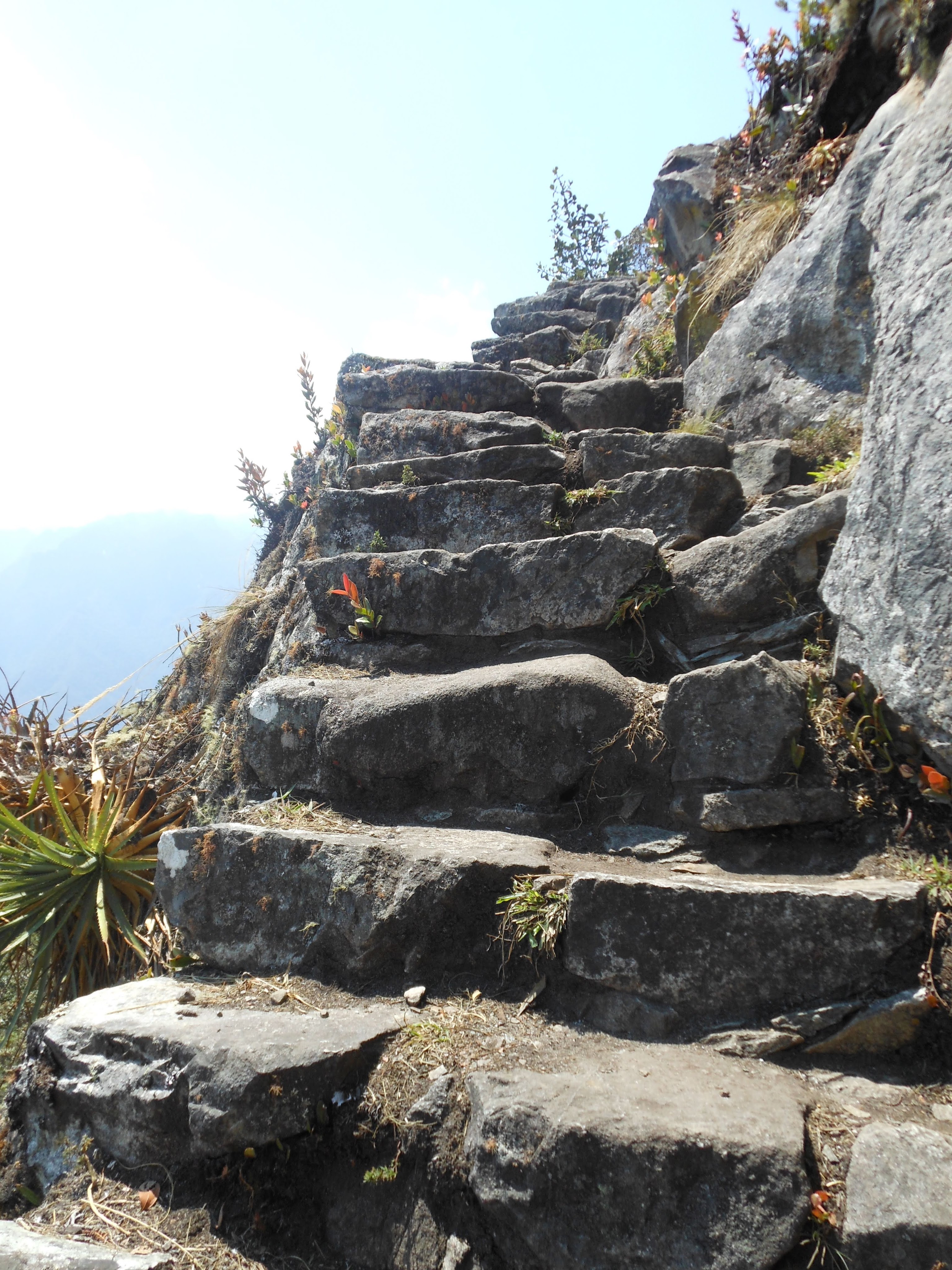
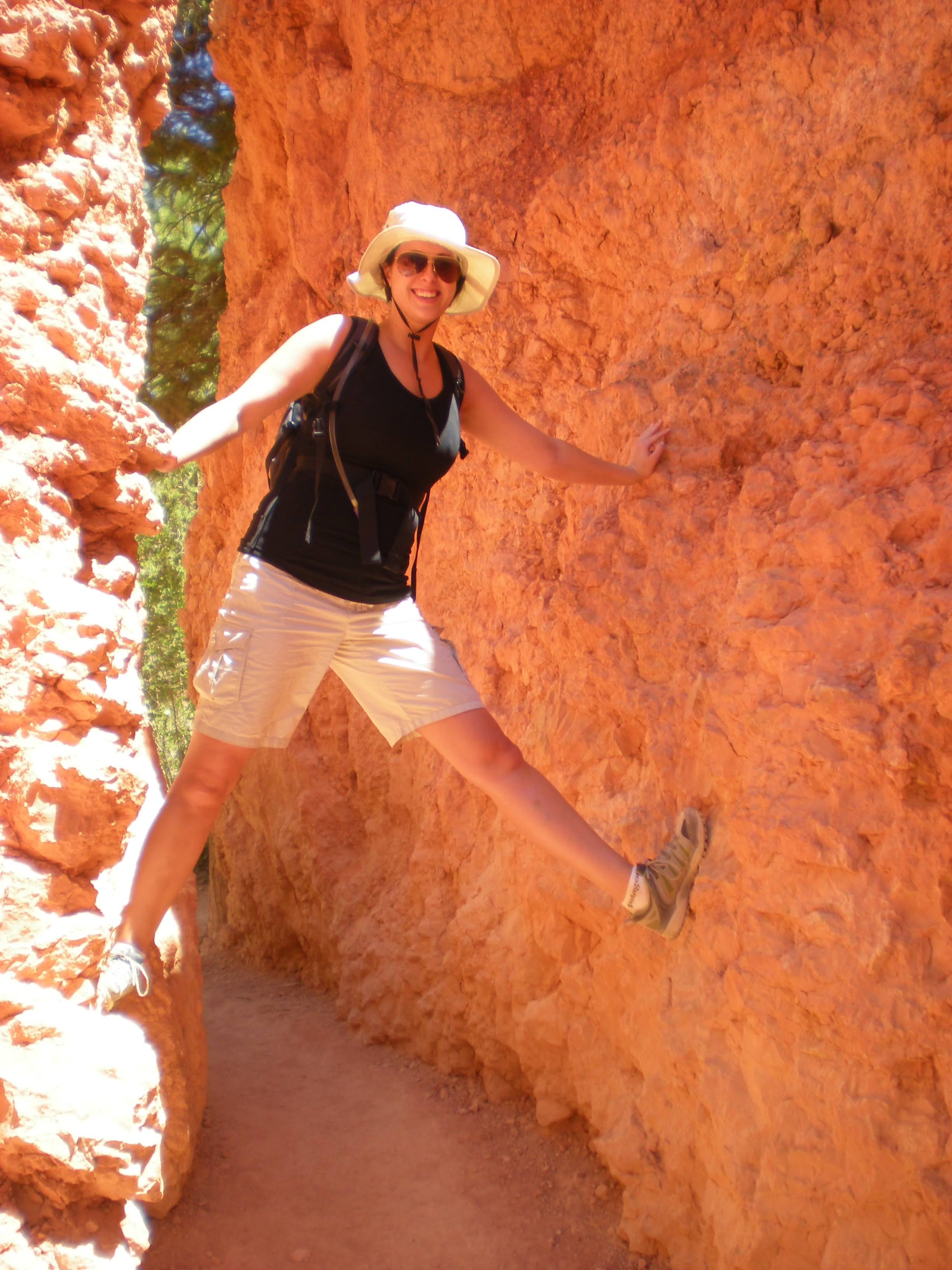
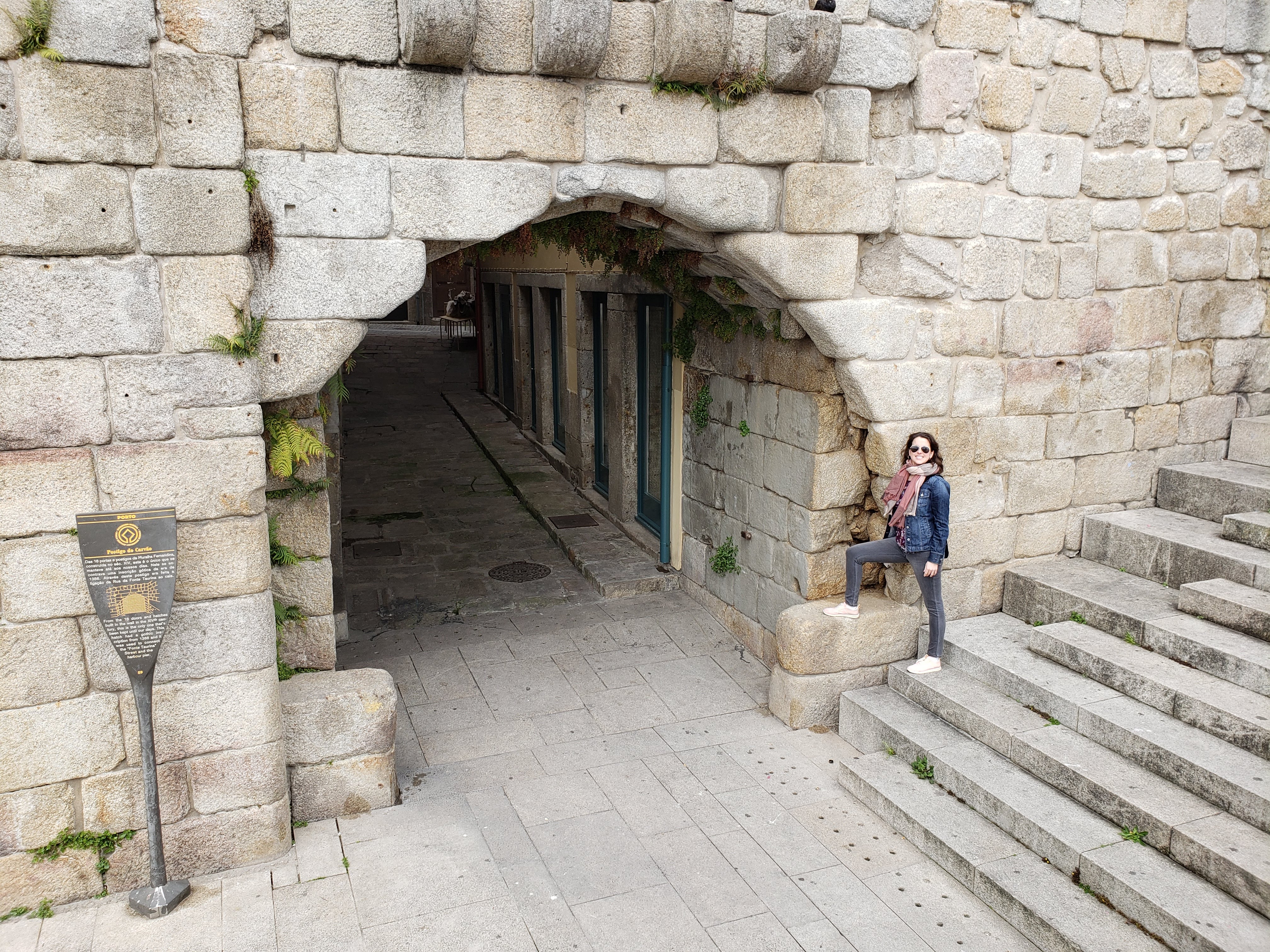
Go for a walk. Take a yoga class. Vacuum your home. Walk on the beach. Swim in the ocean. Walk up a flight of stairs without holding a railing. Throw your body at the person you love and hug them with your arms and whole body. Jump up to sit on the kitchen counter. Bend down and lunge to pick something up off the floor. Talk on your cell phone while you hold a full cup of coffee as you walk to your desk. Dance in the kitchen. Get on the floor and cuddle your dog. Go to an ancient ruin, a rainforest, an old bookstore and just go in. Jump on a hotel bed. Go somewhere and not worry how close parking is or where the bathroom might be. Climb a ladder. Get on an airplane last because you could book the cheap ticket. Do a cartwheel. Wander an old city and get lost. Drive your car and sing loudly. Jump off the high dive. Show up spontaneously at your friend’s house because they need you, or they invited you for dinner, or you just needed a hug. Wear high heels even for a moment standing on one leg as you adjust the other shoe. Soak in a big luxurious bubble bath. Wander the aisles of the grocery store. Play in the snow. Paint a room in your house. Make a snow angel.
Move your body and understand that privilege. Do it first because you can. Then pause, think how easy it was and how wondrous the human body is. Then think of those who can’t and how that might impact their life, their work, how they exist in the world. Appreciate these things for me. I miss them.
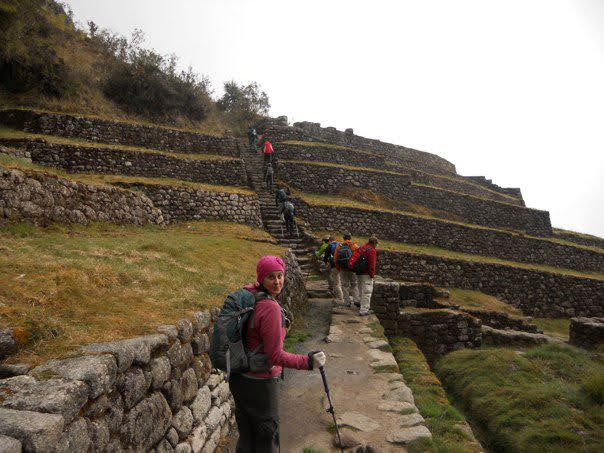
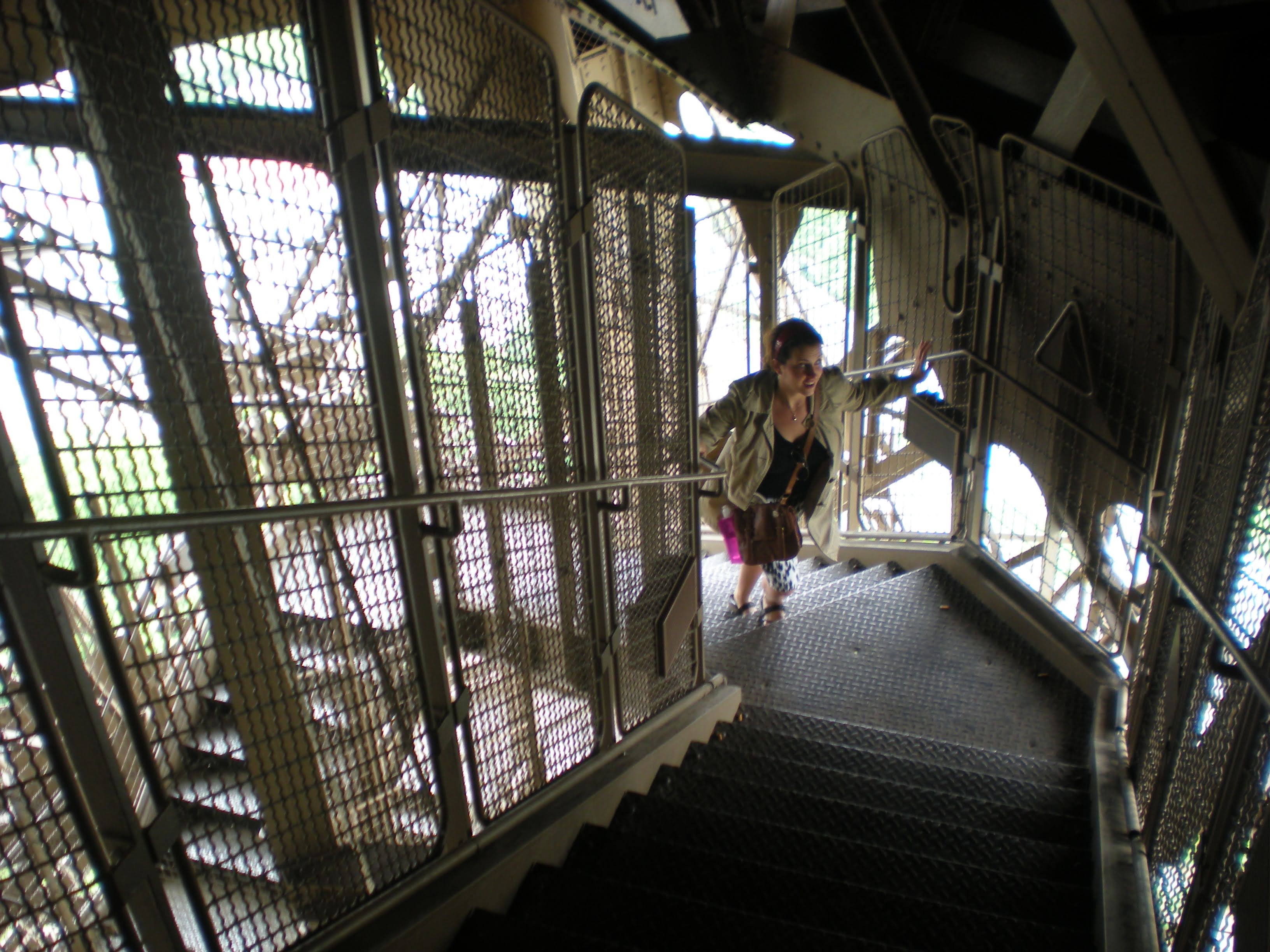
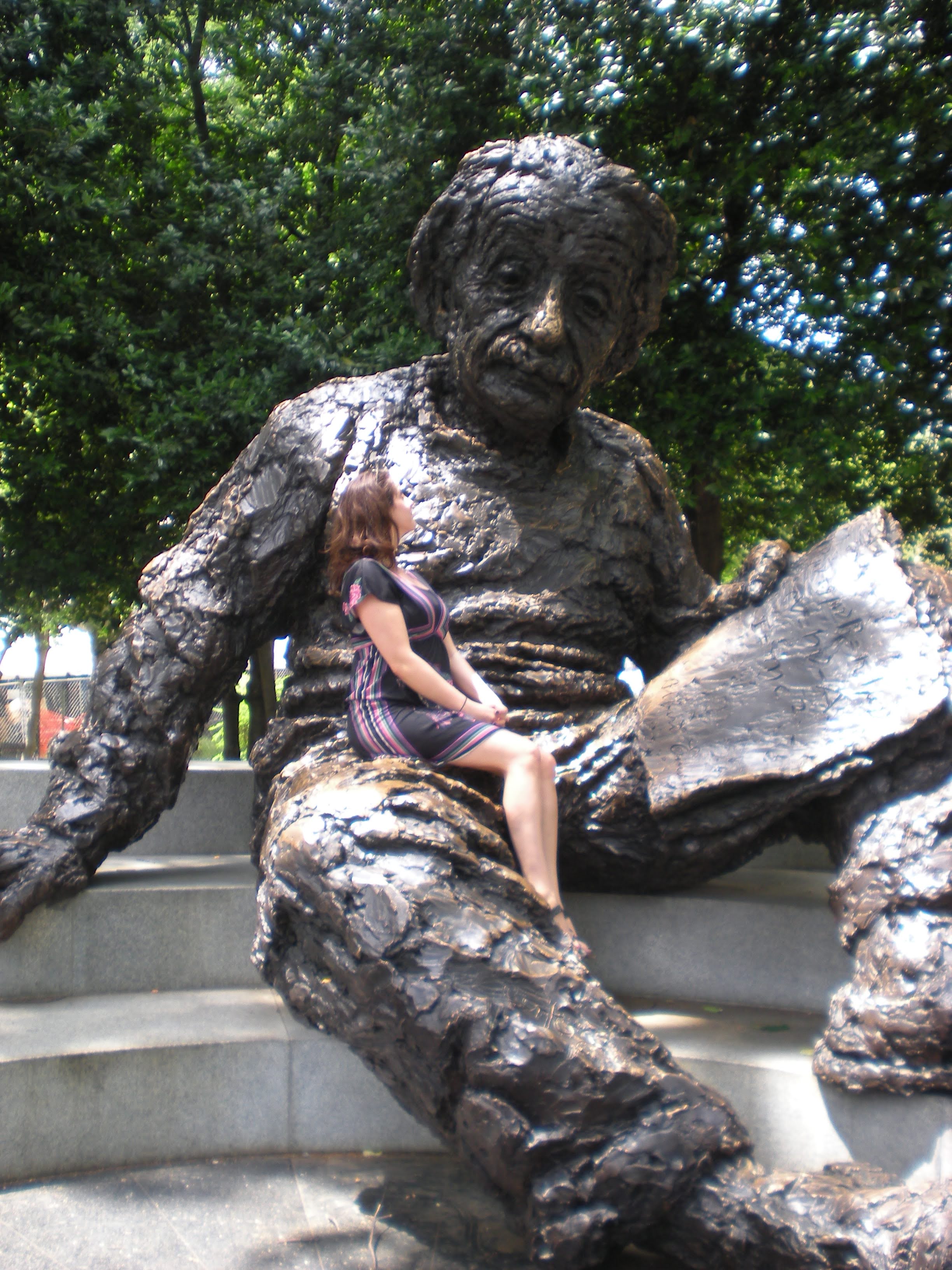
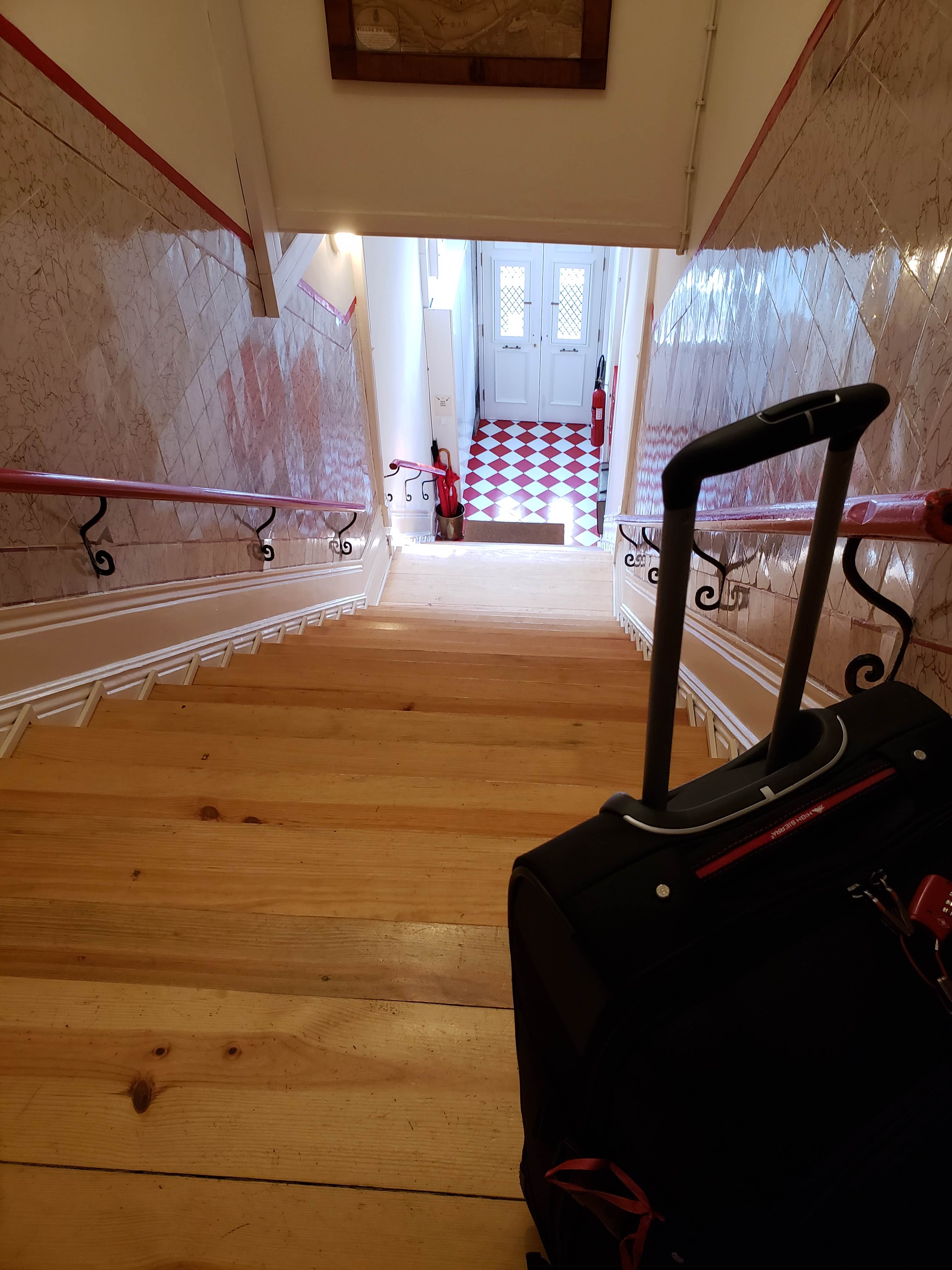
When I was still on Instagram, I remember a woman talking about all the inaccessible views and places in this world. Here are a smattering of my photos that showcase places I can never go again. So much of the world is now out of bounds, off limits, inaccessible.
I’m beyond grateful for my travel and my life, but I wish going forward, the world was more welcoming. Let’s hope with the thought power and purposeful intention of others, we’ll make room for everyone.
Accessibility isn’t pie –there’s enough for everyone and we all could use some more.



 My Chronic Library
2 responses to “The Privilege of Movement & Access”
Thanks for the perceptive “heads up”. Do you mind if I share
LikeLike
Of course! You should always feel free to share. ♥️
LikeLike